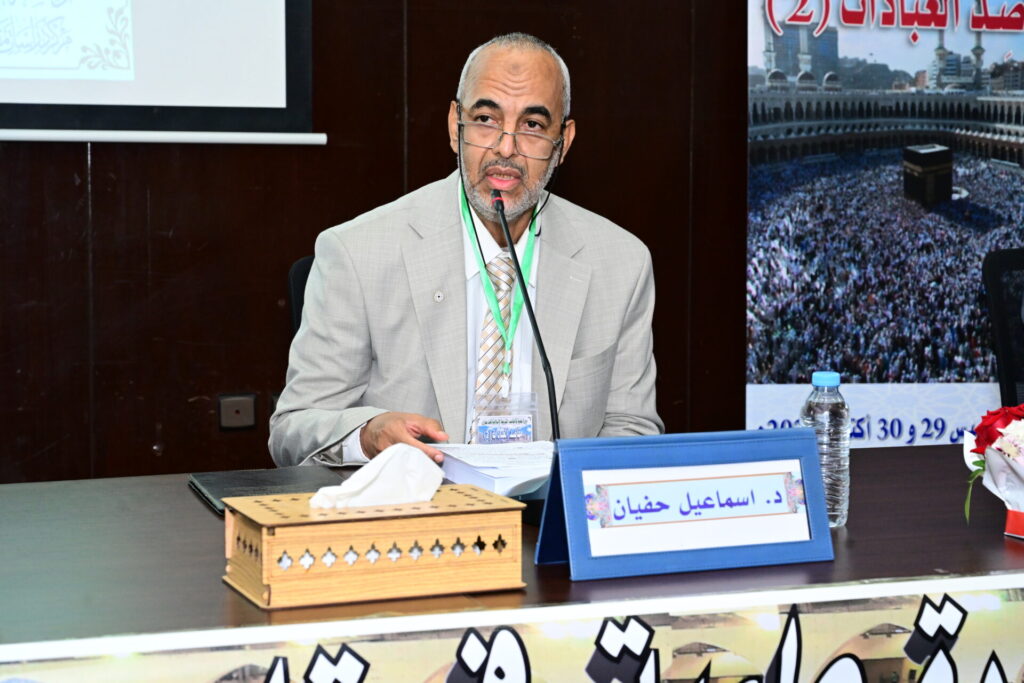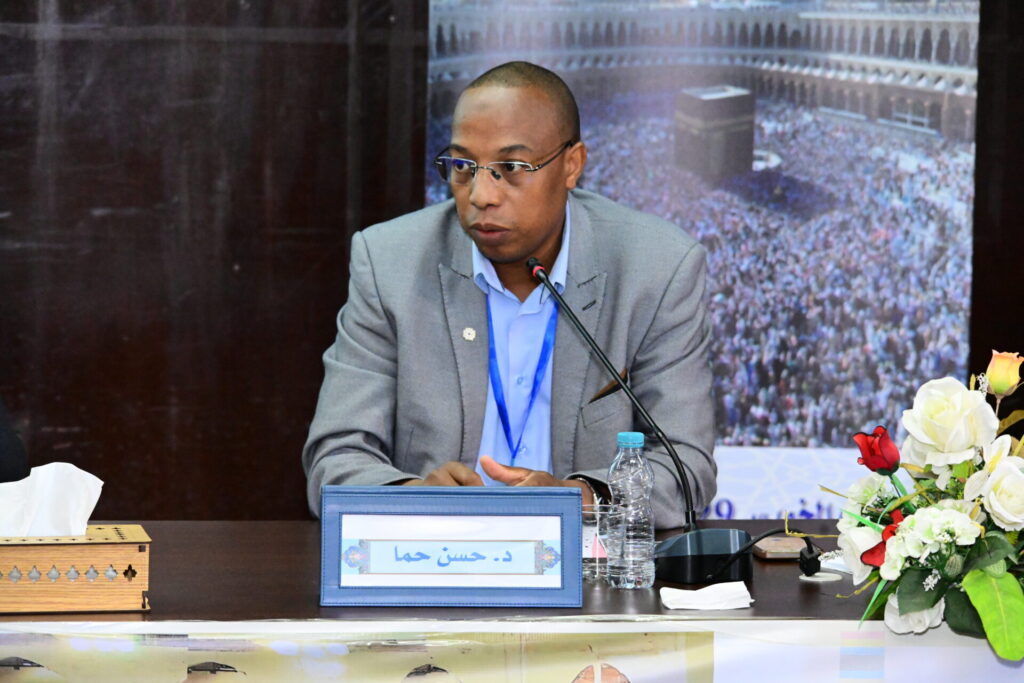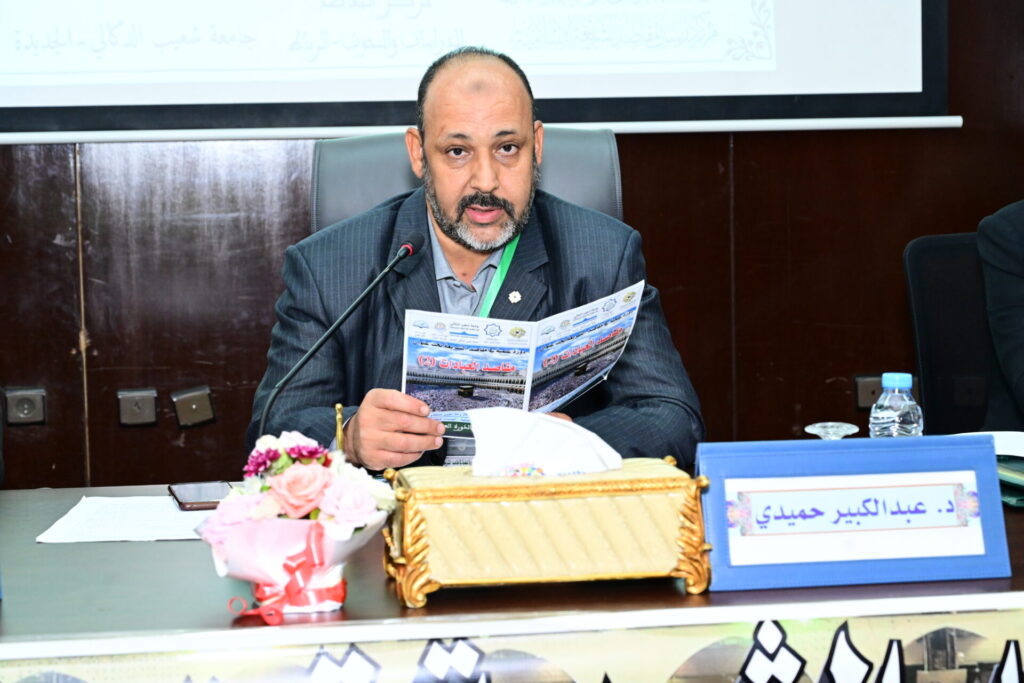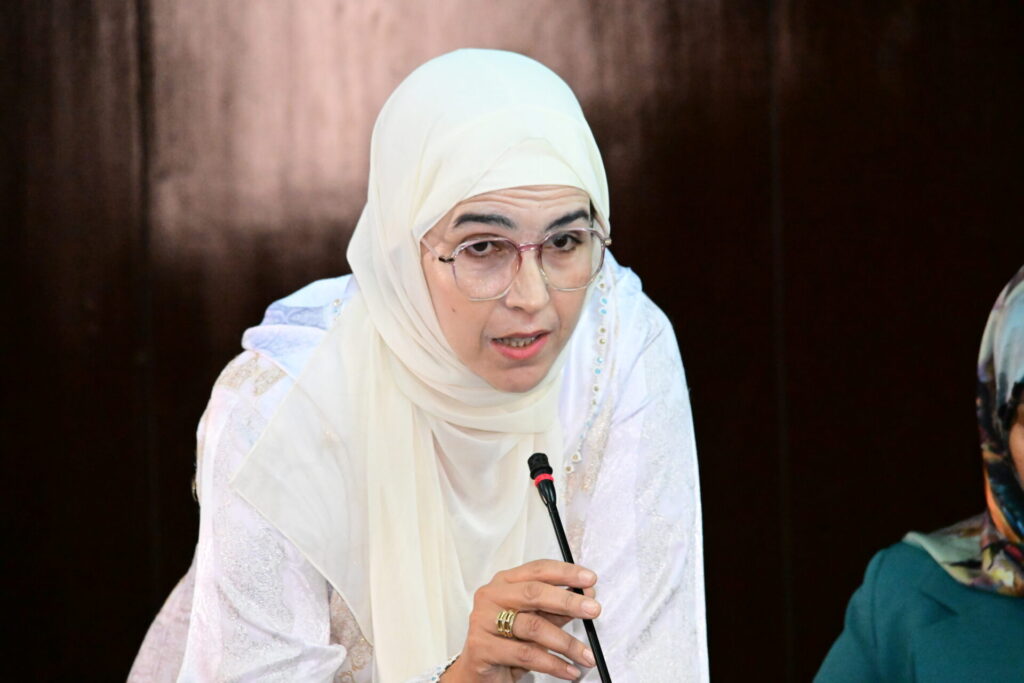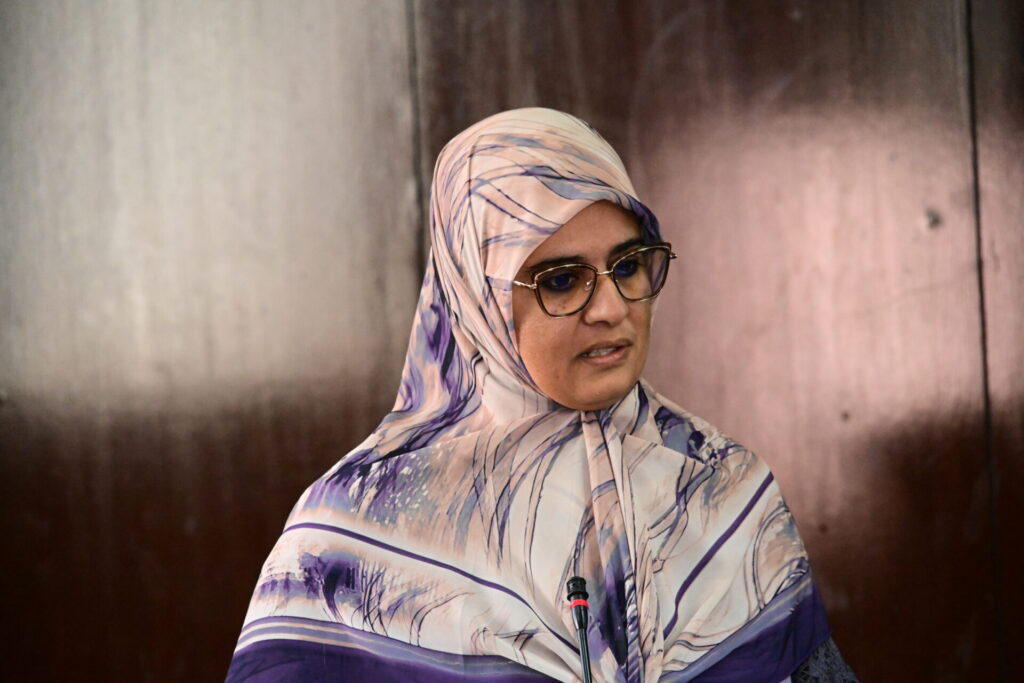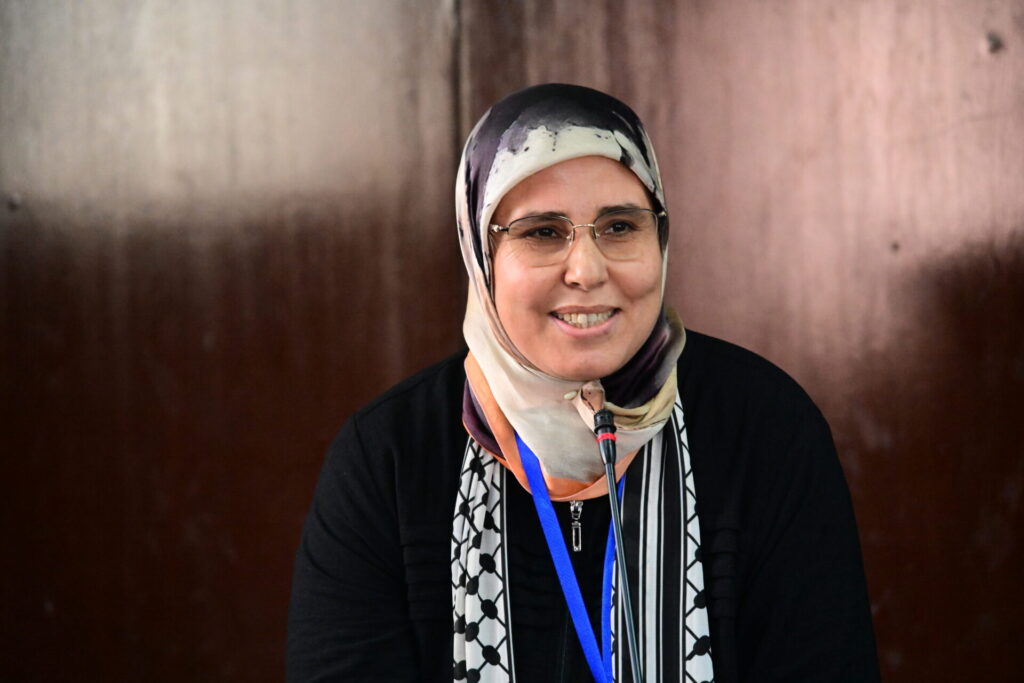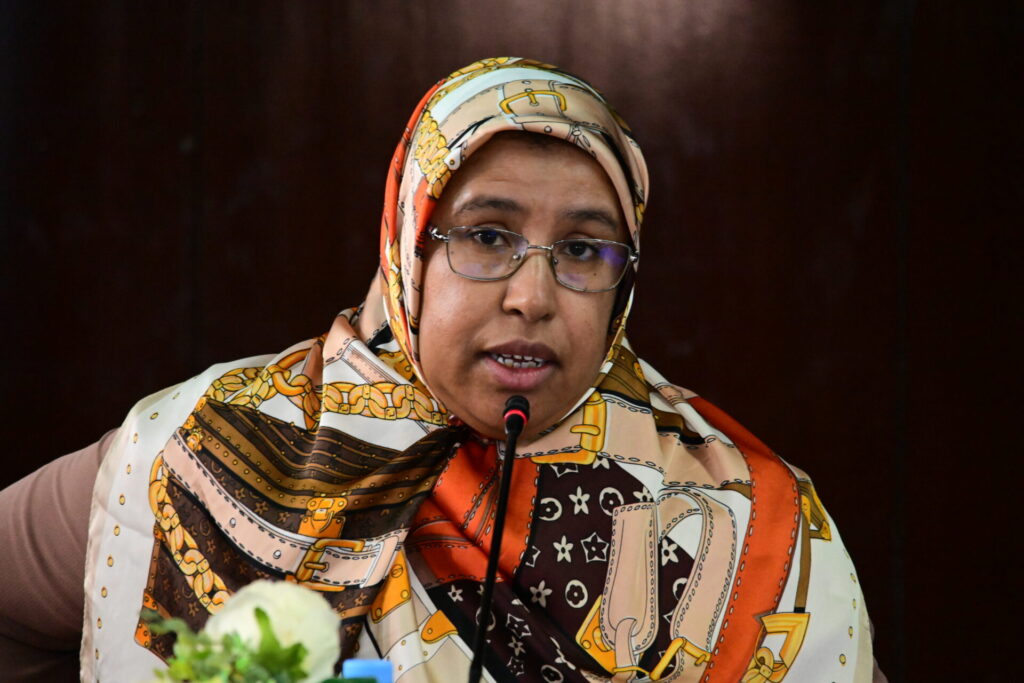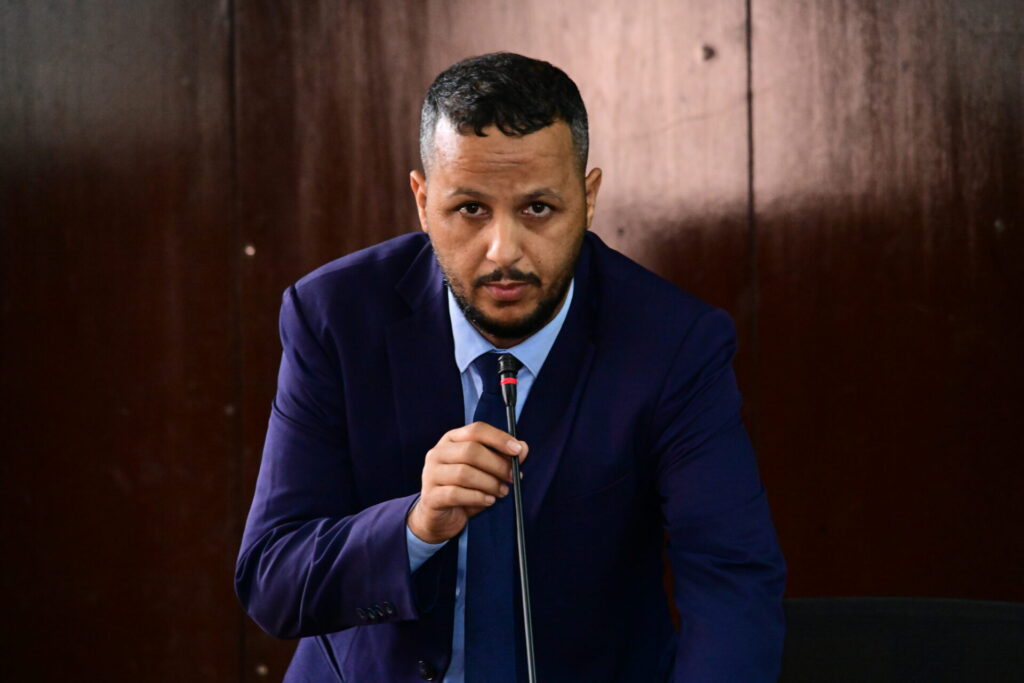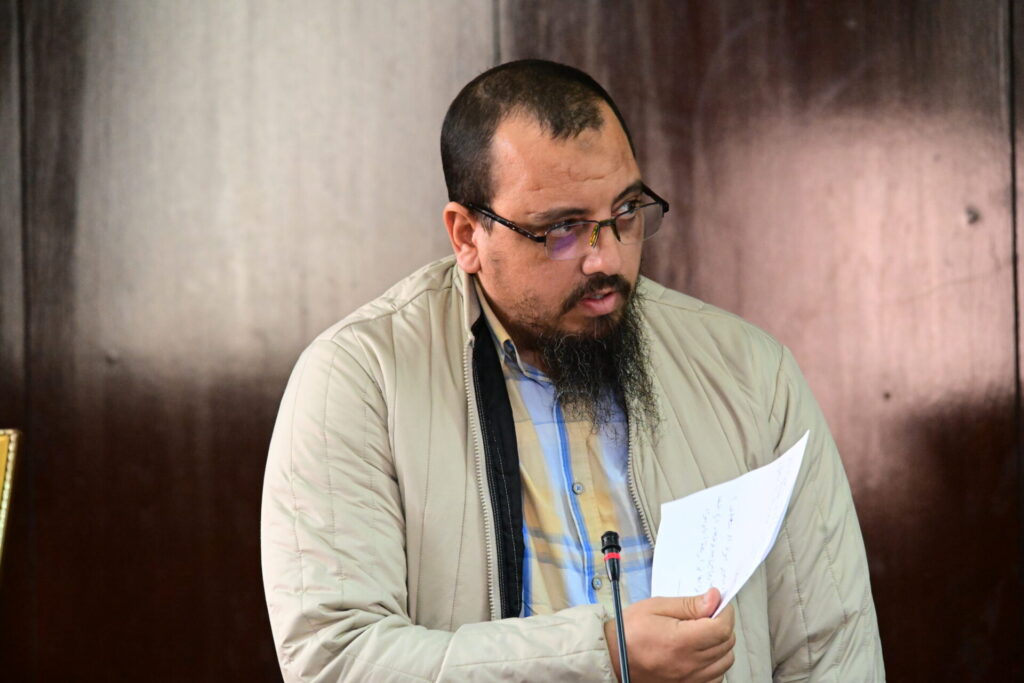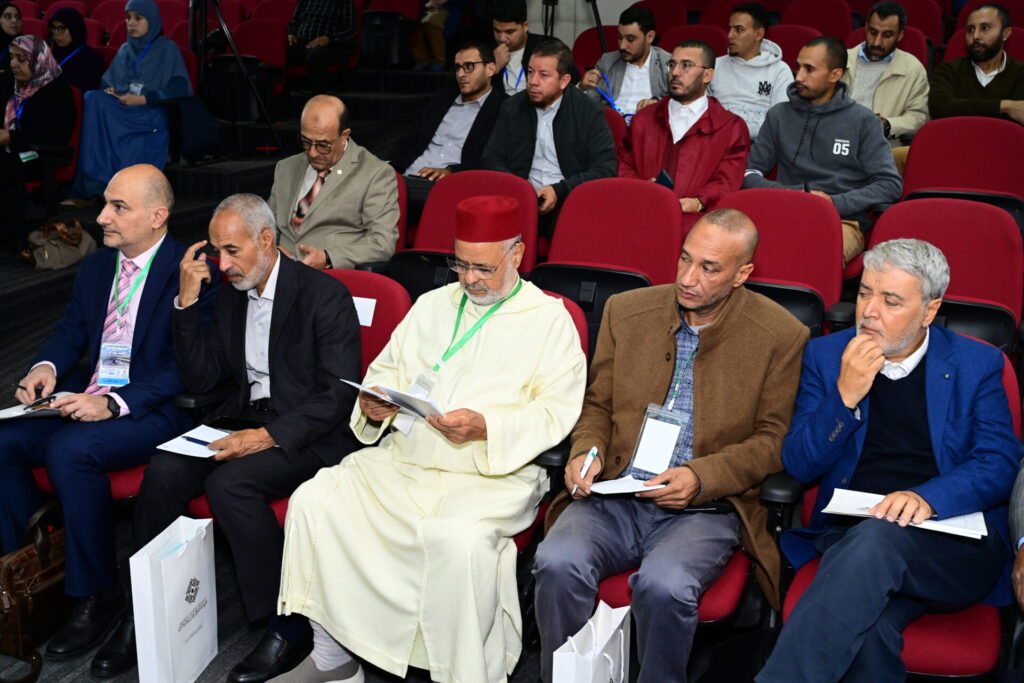

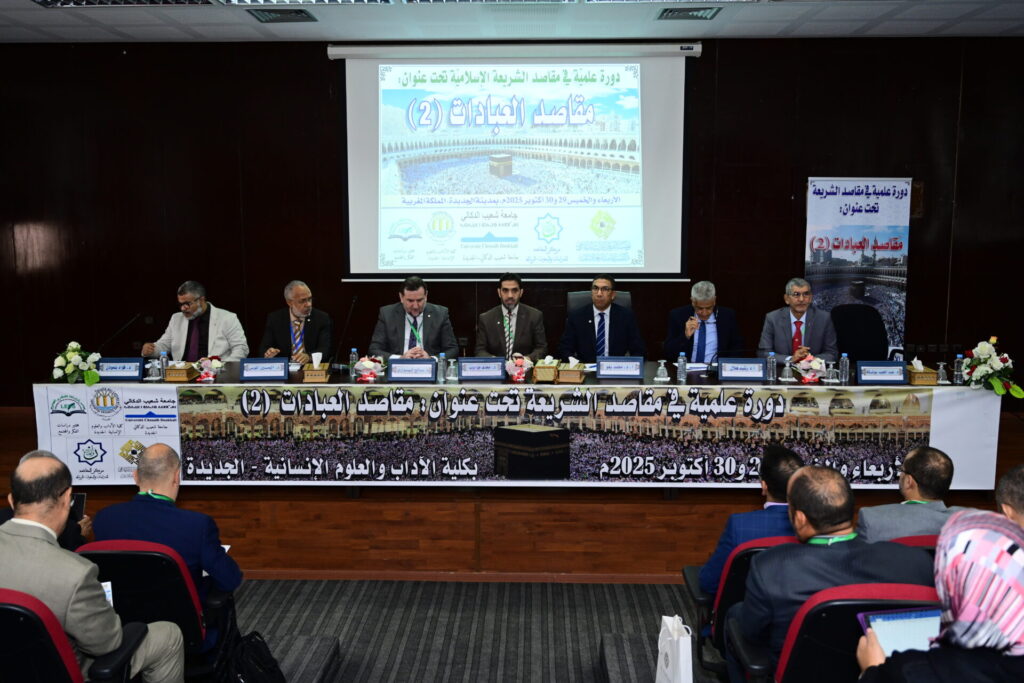
First Day: Wednesday, 29 October 2025
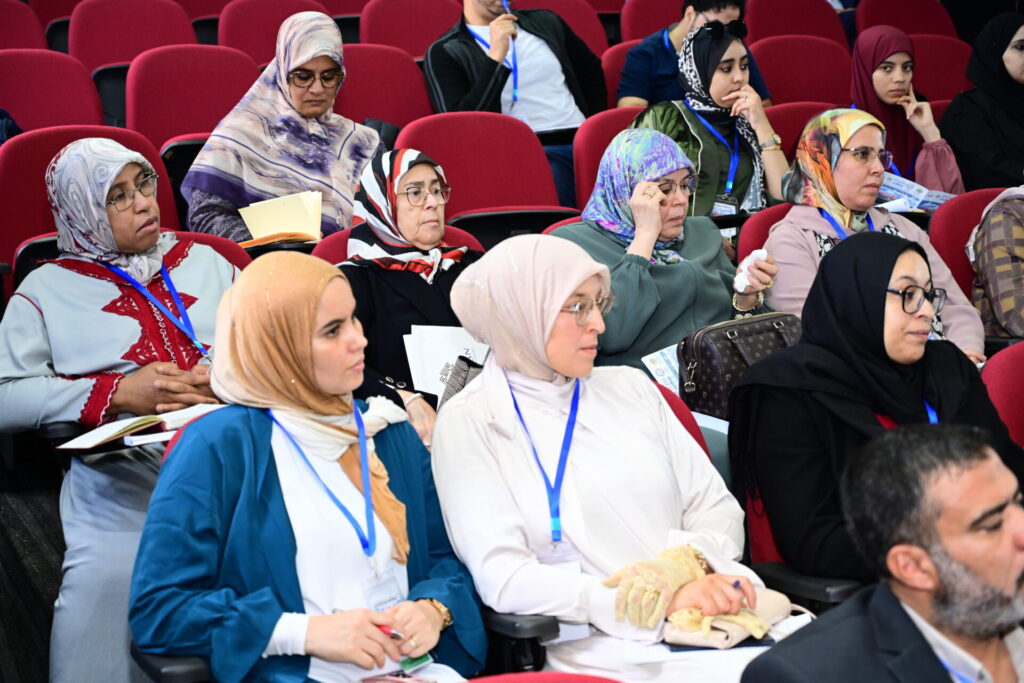
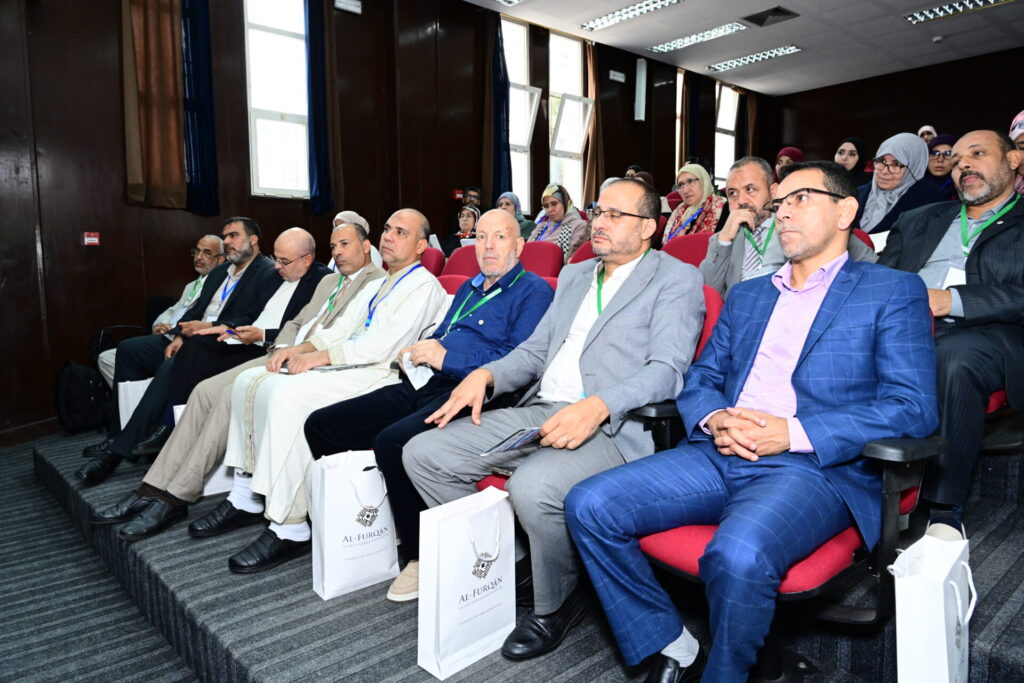
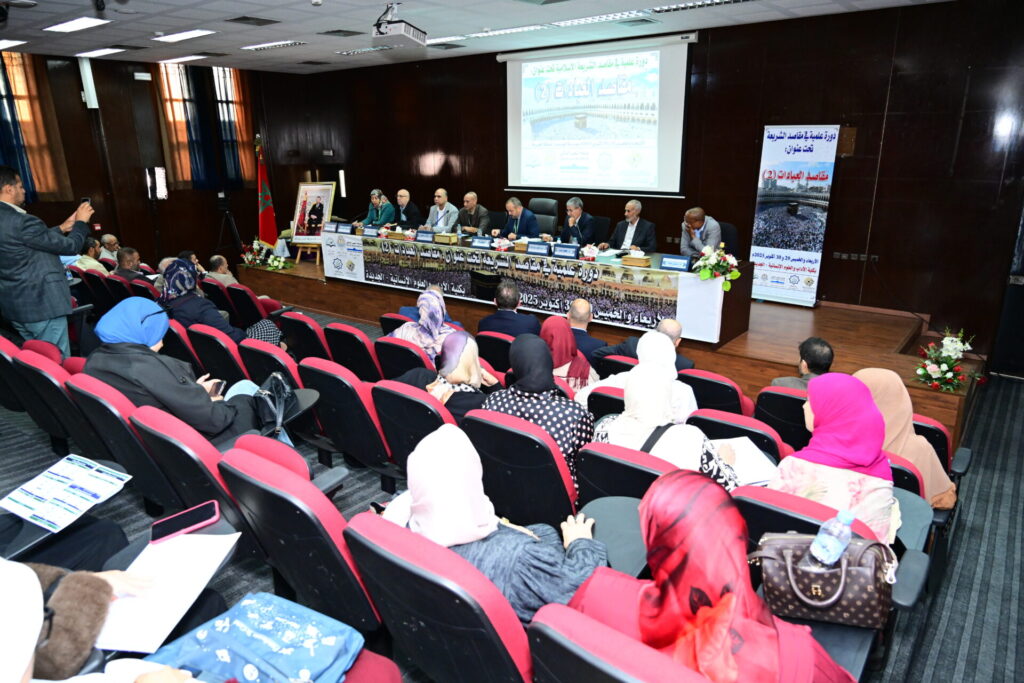
Complementing the first training course on the objectives of worship rituals, and in recognition of the subject matter’s importance, and its manifest influences on civilisation (al-‘umrān), the second training course titled “The objectives of worship rituals (maqāṣid al-‘ibādāt)” was convened on 29-30 October 2025 (6-7 Jumādā al-Uwlā 1447AH). It was jointly organised by the Centre for the Study of the Philosophy of Islamic Law at Al-Furqān Islamic Heritage Foundation in London, the Faculty of Letters & Human Sciences in El Jadida (FLSHJ), the Laboratory for Studies on Thought & Society (LEPS) of the same Faculty, and the Maqāṣid Centre for Research & Studies in Rabat.
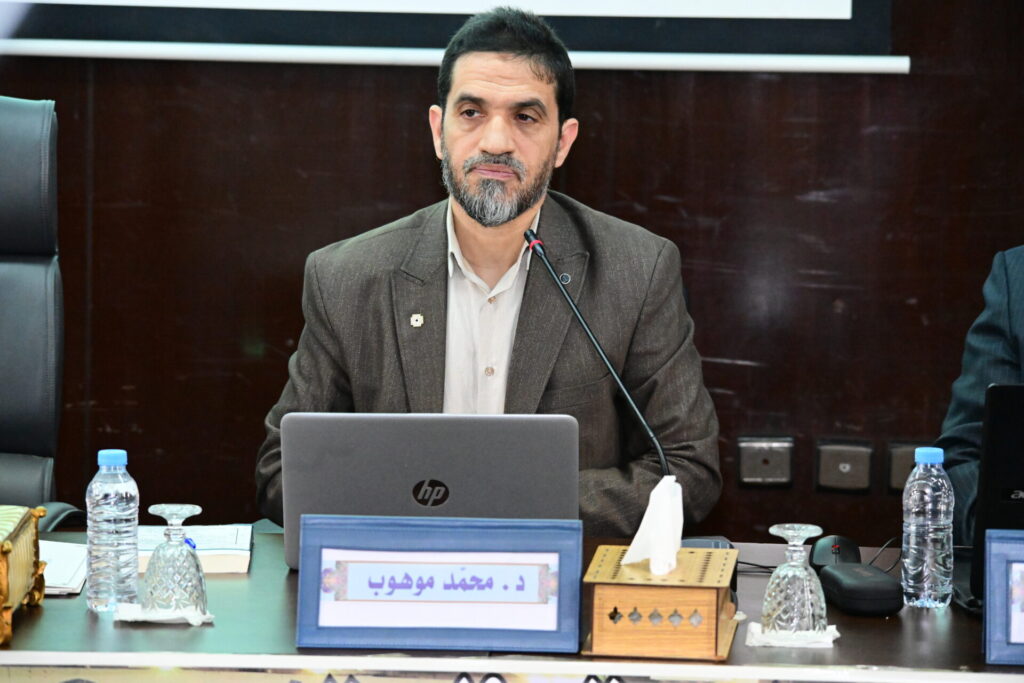
Opening Session (Chair: Dr Mohamed Mouhoub)
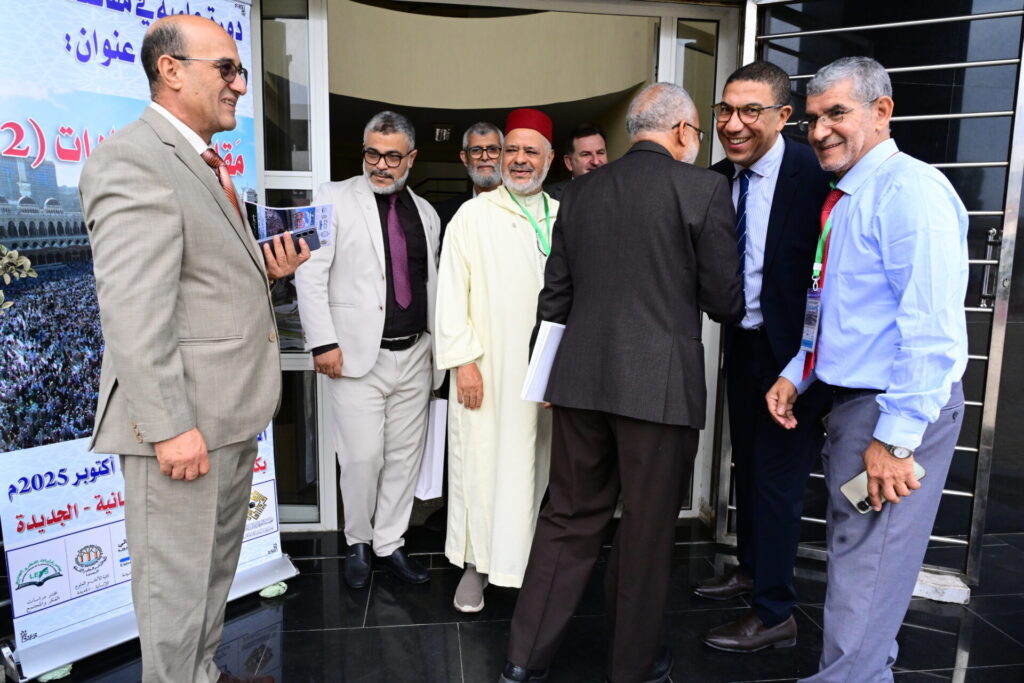
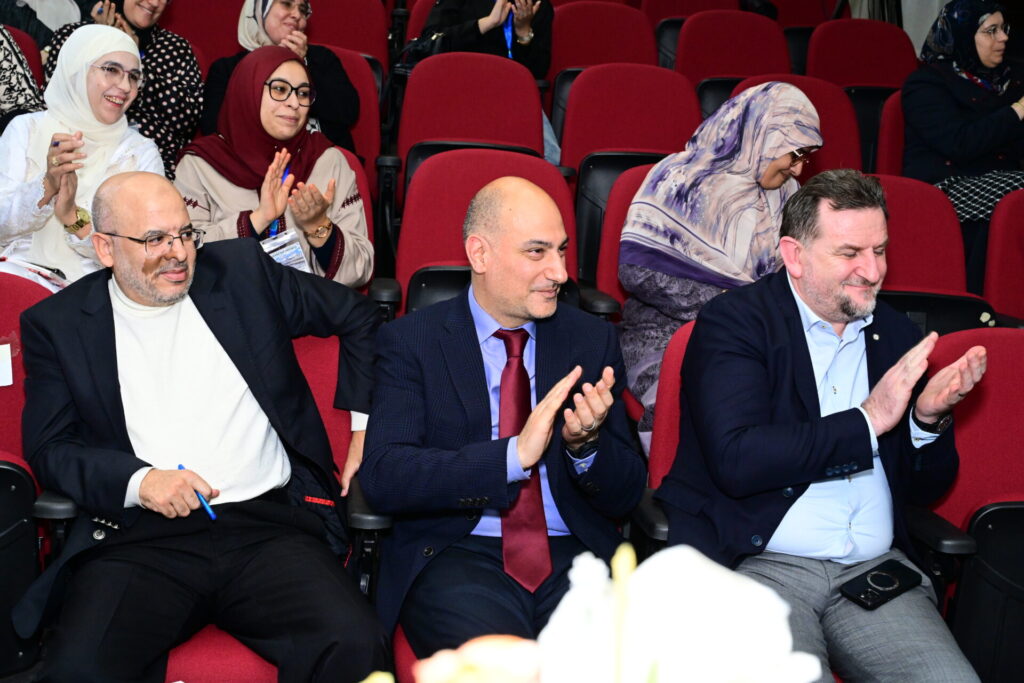
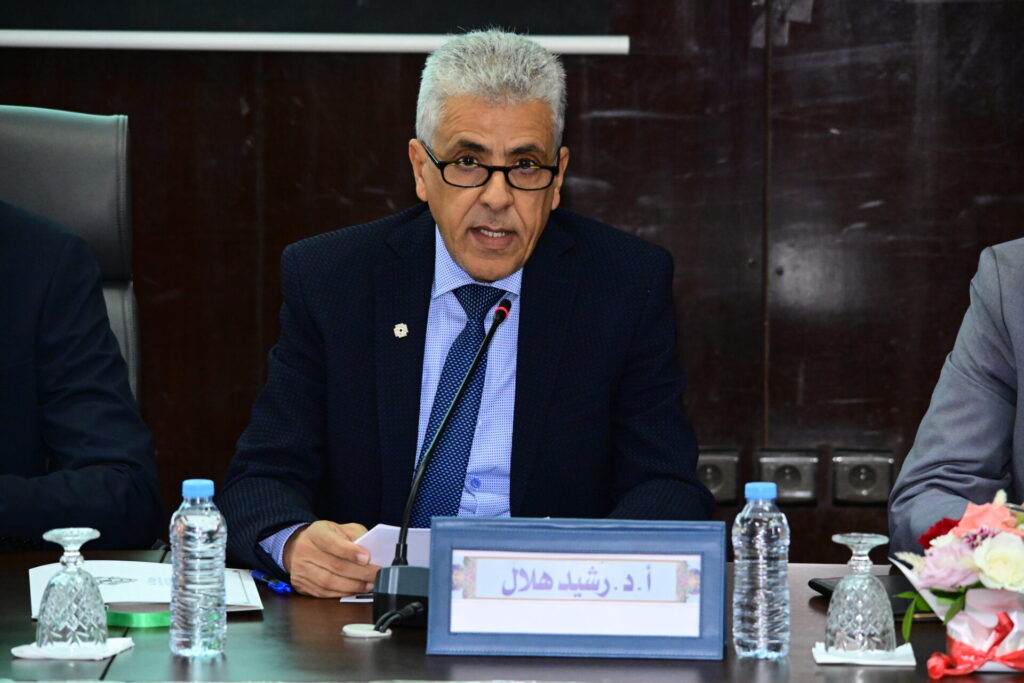
The training course began—after receiving and welcoming the participants—with a recitation of selected verses from the Noble Qur’ān. Dr Rachid Hilal, Vice-President of Chouaib Doukkali University in El Jadida, then delivered a speech welcoming the participating scholars and audience, and thanking the organisers and guests. He underscored the training course topic, considering it of pivotal importance, in the issues covered and challenging matters raised. He expressed his hope that the training course would succeed in achieving the anticipated outcomes.
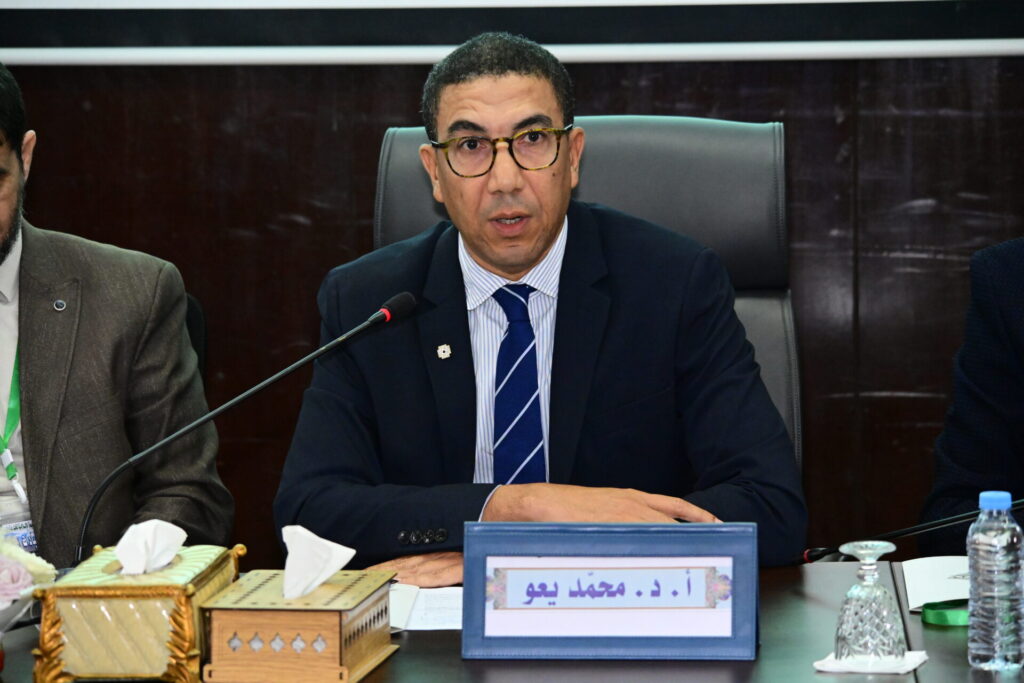
Subsequently, Dr Mohammed Yeo—Dean of FLSHJ, spoke; he noted the course’s significance and context, in paying due attention to the objectives of Islamic jurisprudence. He expressed his delight at the attendance, and the participating and organising bodies, commending this scientific initiative.
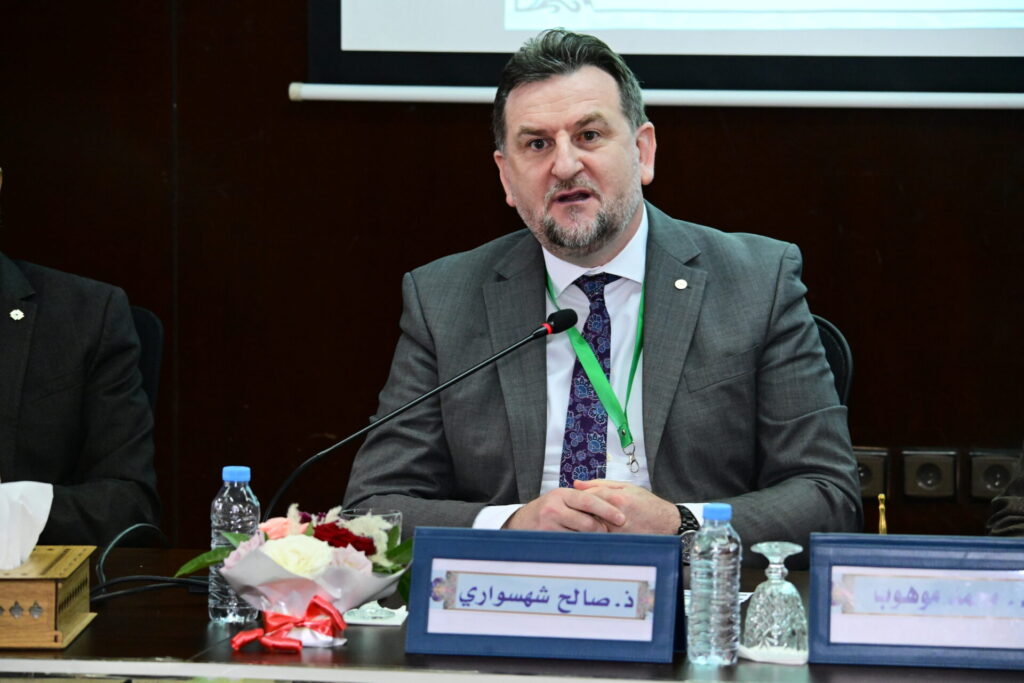
Mr Sali Shahsivari—Managing Director of Al-Furqān Islamic Heritage Foundation in London followed, conveying the greetings of Al-Furqān Foundation Board of Directors—at their forefront, the Chairman, Mr Sharaf Ahmed Zaki Yamani. He welcomed the contributors and audience present at this blessed scientific training course, and stressed the importance of the topic in the life of Muslims, and indeed, every human being. Mr Sali explained that most of the previous training course’s papers had focused on the ritual pillars of Islam. Therefore, it had been decided that in its second version this training course would cover some unaddressed worship rituals; for example, those with a psychological or social dimension. He also thanked the host institution, Chouaib Doukkali University in El Jadida, and all the organisers and participants, with a special mention for Dr Mohamed Drioueche.
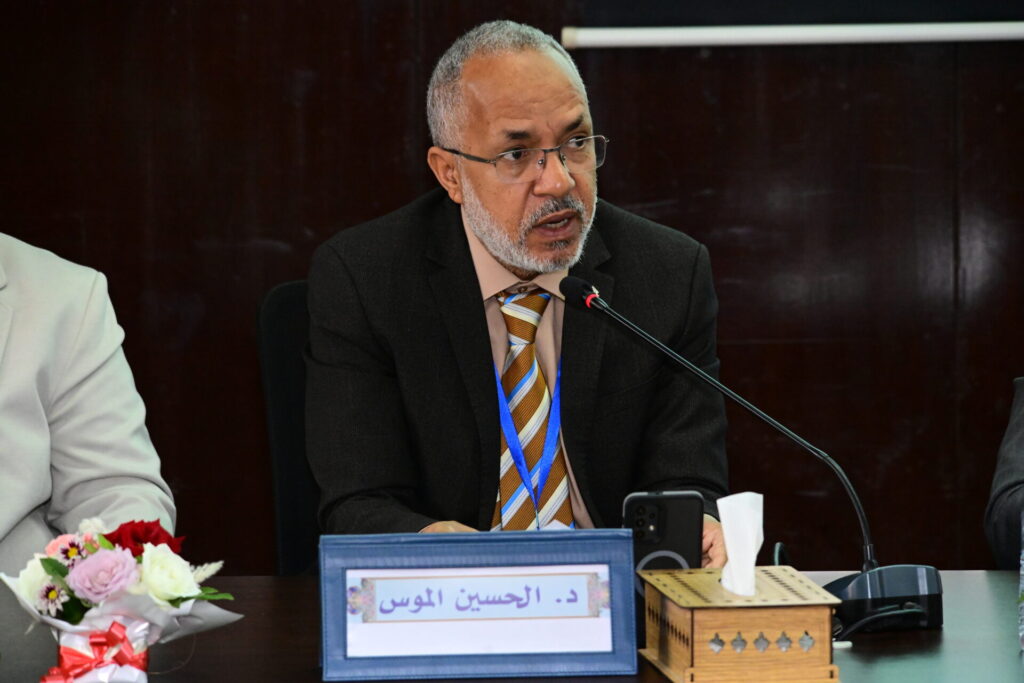
On his part, Dr al-Husayn al-Mous, Director of the Maqāṣid Centre for Research & Studies in Rabat, extended his finest greetings and wishes to the organisers on convening the training course, welcoming the participants, guests, academics and researchers. He also emphasised the importance of the topic, pointing out that it required further examination and in-depth exploration to expand the boundaries of research and enlightenment. He concluded by thanking Dr Drioueche for the important work performed in these training courses, as well as all the organising committee members.
He was followed by Dr Fouad Belmouden, Head of Islamic Studies, who thanked the organising bodies, and welcomed the participating scholars and audience, acknowledging their scientific efforts, and sacrifices in ensuring the training course’s success. He also reflected upon the importance of the topic—the objectives of worship rituals, considering this a serious scientific endeavour, serving the Islamic disciplines. Furthermore, he stressed the importance of such training courses for the development of students and researchers, wishing everyone success.
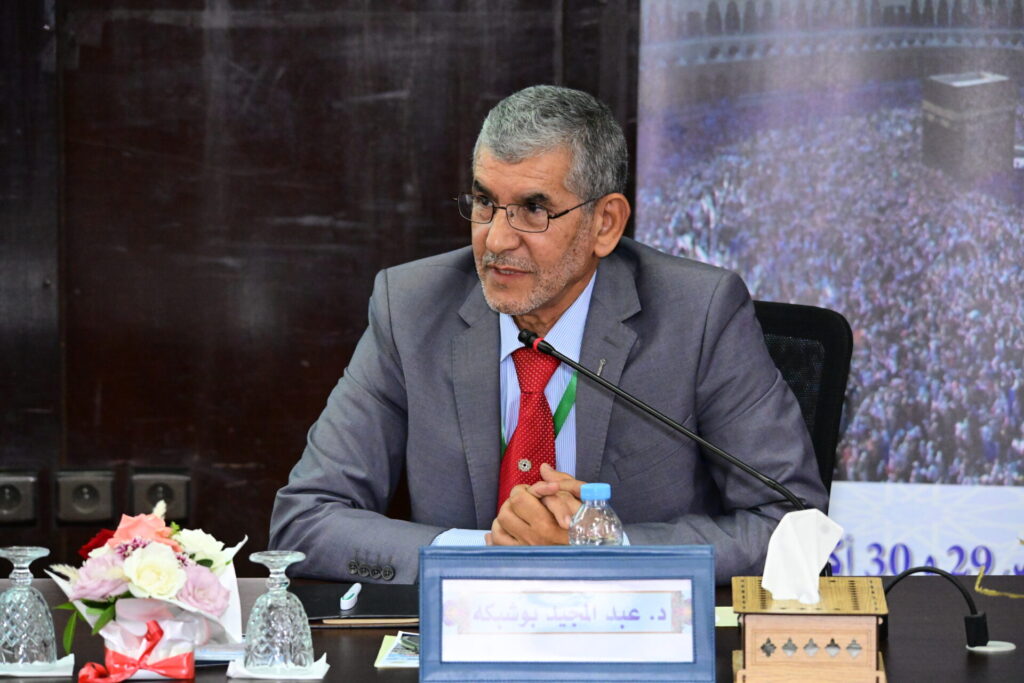
In turn, Dr Abdelmajid Bouchebka, Director of LEPS, expressed his gratitude to the organising and supporting organisations. He also welcomed the participants and guests, and thanked Mr Sharaf Ahmed Zaki Yamani, Chairman of Al-Furqān Foundation for the wise direction adopted by this organisation of long pedigree in serving knowledge. He also commended the judicious choice of this important topic, namely the objectives of worship rituals, for the benefit of experts and researchers alike, considering that worship rituals represent the spirit of Islam.
Opening Lecture (Chair: Mr Sali Shahsivari)
Following the speeches by the organising bodies, the erudite Dr Ahmad Raissouni delivered the opening keynote lecture, which he titled, “Worship rituals between the devotional deterrent and the ruler’s deterrent (al-‘ibādāt bayn al-wāzi‘ al-diyānī wa al-wāzi‘ al-sulṭānī)”. It focused on clarifying the difference between them, emphasising that the ruler (al-sulṭān) has no authority to interfere in worship rituals, in their specific (khāṣ) sense. He also deliberated on the axiom, “the ruler has no remit in worship rituals (lā dakhl li al-ḥākim fī al-‘ibādāt)”.
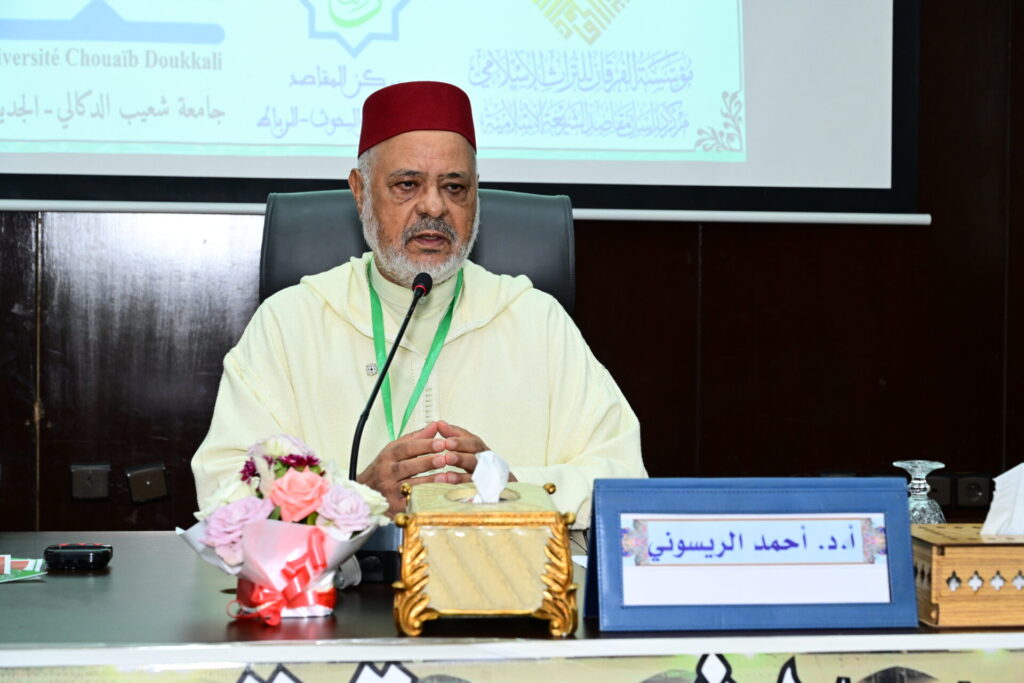
Following these speeches and the lecture, a tea reception was held to honour the participants and guests.
First Session (Chair: Dr Hassan Shahid)
The first session began with Dr Ismail Hafyan presenting his paper, “Fundamentals of objectives-based rational consideration to guide contemporary creative juristic effort in the area of worship rituals (Uṣūl al-naẓar al-maqāṣidī li tasdīd al-ijtihād al-mu‘āṣir fī bāb al-‘ibādāt)”. His paper was composed of an introduction, and two areas of enquiry. In the first, he addressed the epistemological universals underpinning this work. In the second, he elucidated the objectives-based approach to guide contemporary creative juristic effort in the area of worship rituals. Dr Mohammad Hammam Abdelrahim Melhem then commented on the paper.
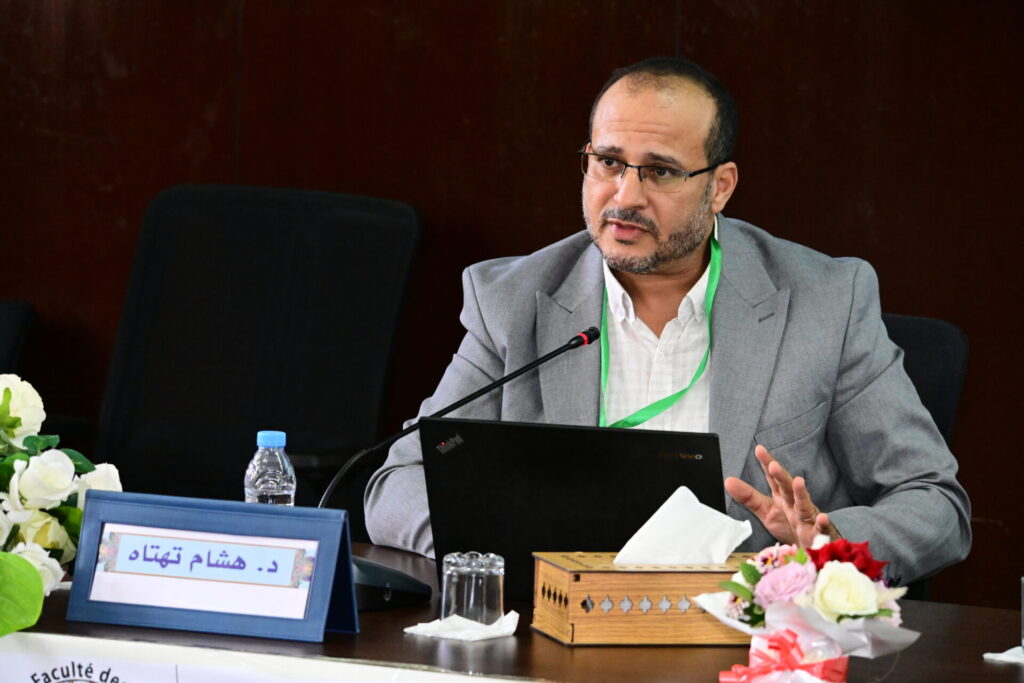
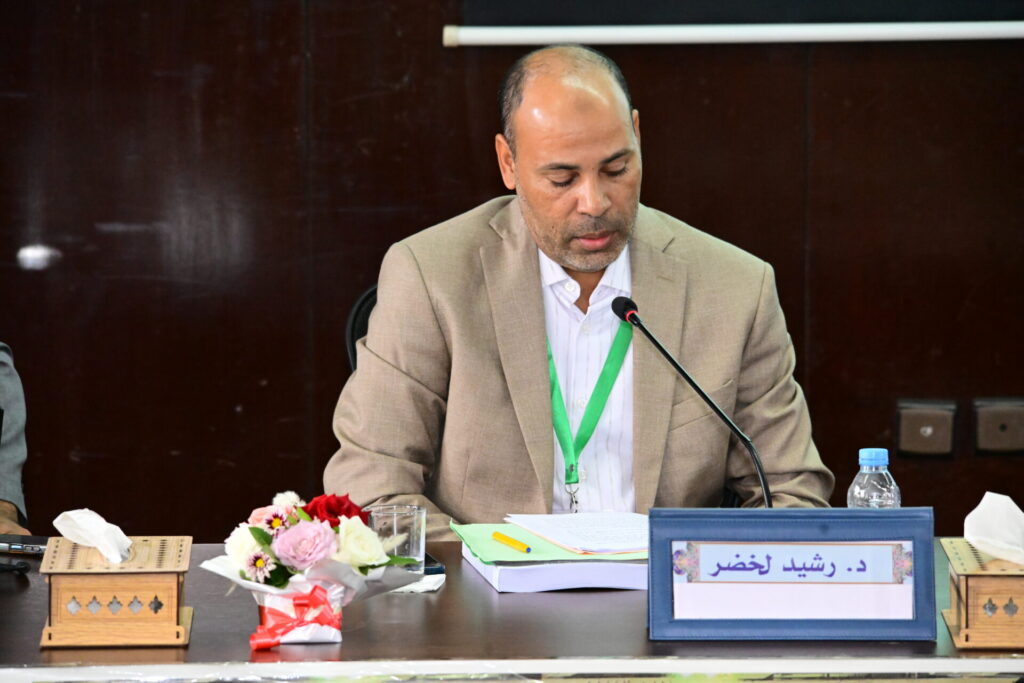
This was followed by Dr Rachid Lakhdar’s paper, “The Islamic law objectives of agency in worship rituals: A textually-evidenced applied study (al-Maqāṣid al-shar‘īyyah min al-niyābah fī al-‘ibādāt: Dirāsah ta’ṣīliyyah taṭbīqiyyah)”. In the introduction, he explained the importance of his study, which was organised into three areas of enquiry with sub-themes. In the first, he presented the concept of agency (niyābah) and its relationship to associated terms. In the second area of enquiry, he discussed the basis in textual evidence of the legitimacy and types of agency in worship rituals. In the third, he focused on elucidating the Islamic law objectives of agency and applied examples in worship rituals. He concluded the paper with the most significant findings. Dr Hisham Tahtah then delivered comments on the paper.
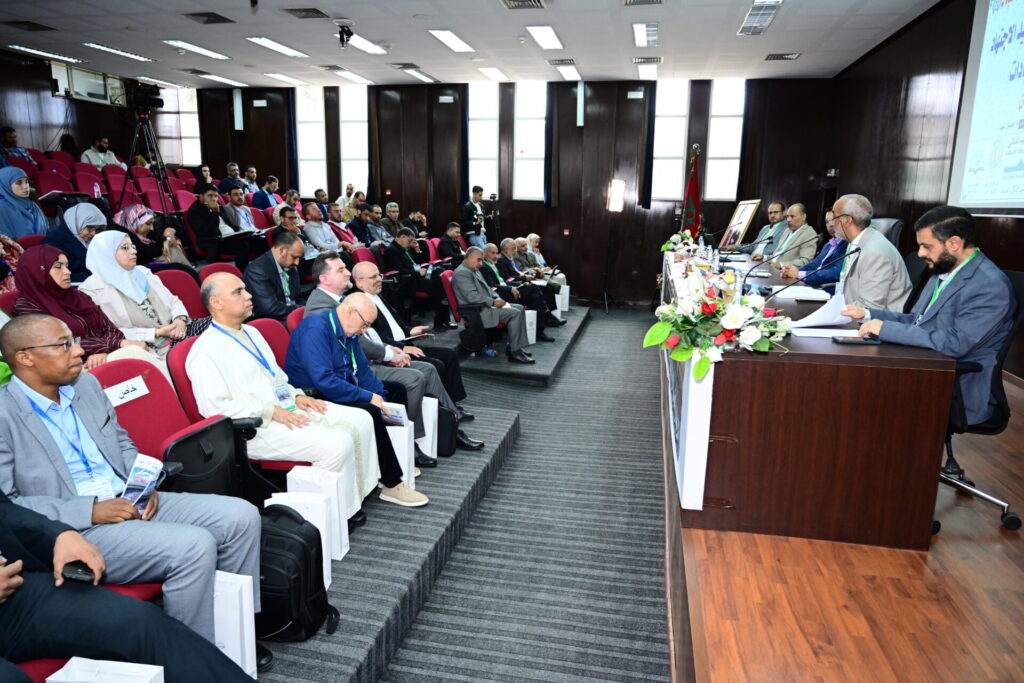
This session ended with a period of discussion, followed by a break for lunch and Dhuhr prayer.
Second Session (Chair: Dr Abdelkabir Hamidi)
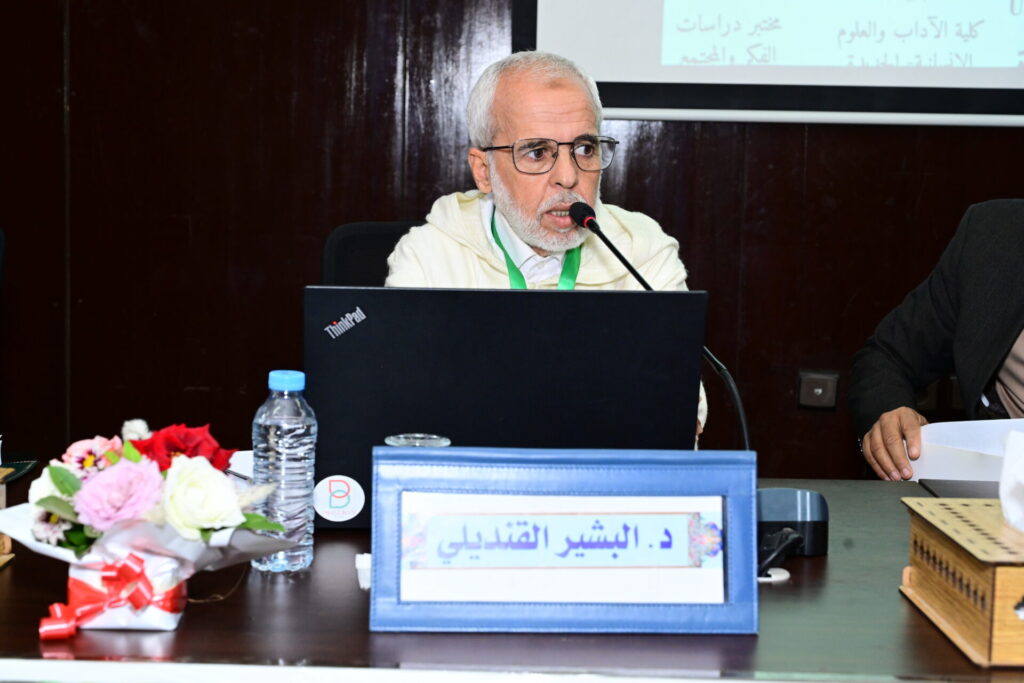
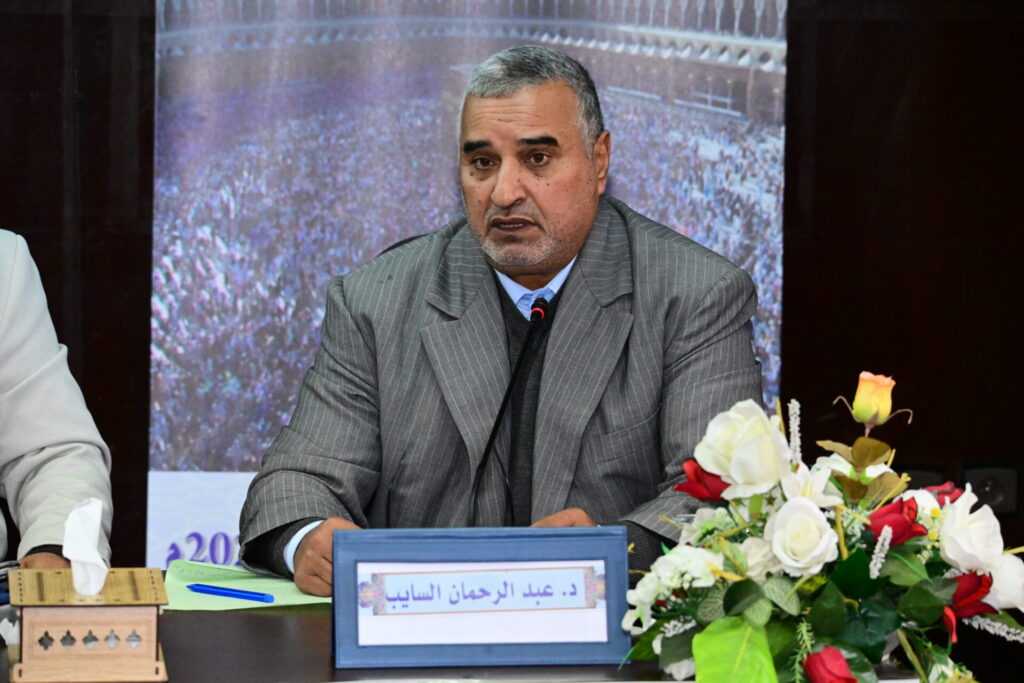
In this session, Dr Al-Bashir Al-Qindili addressed the topic, “The worship ritual of Qur’ān recitation: A study of the objectives of contemplating meaning (al-Ta‘abud bi tilāwat al-Qur’ān: Dirāsah fī maqāṣid al-tadabbur)”. In the introduction, he presented the highest objective underpinning the revelation of the Noble Qur’ān. His paper comprised four areas of enquiry; the first presented an examination of the concepts, while the second elucidated the critical need for contemplating the meanings of the Qur’ān (tadabbur). In the third area of enquiry, he covered some of the objectives of contemplating meanings in the Qur’ān. In the fourth, he addressed some of the benefits to be derived from achieving the objectives of contemplating the Qur’ān’s meanings. Dr Abderrahman Essayeb then commented on the paper.
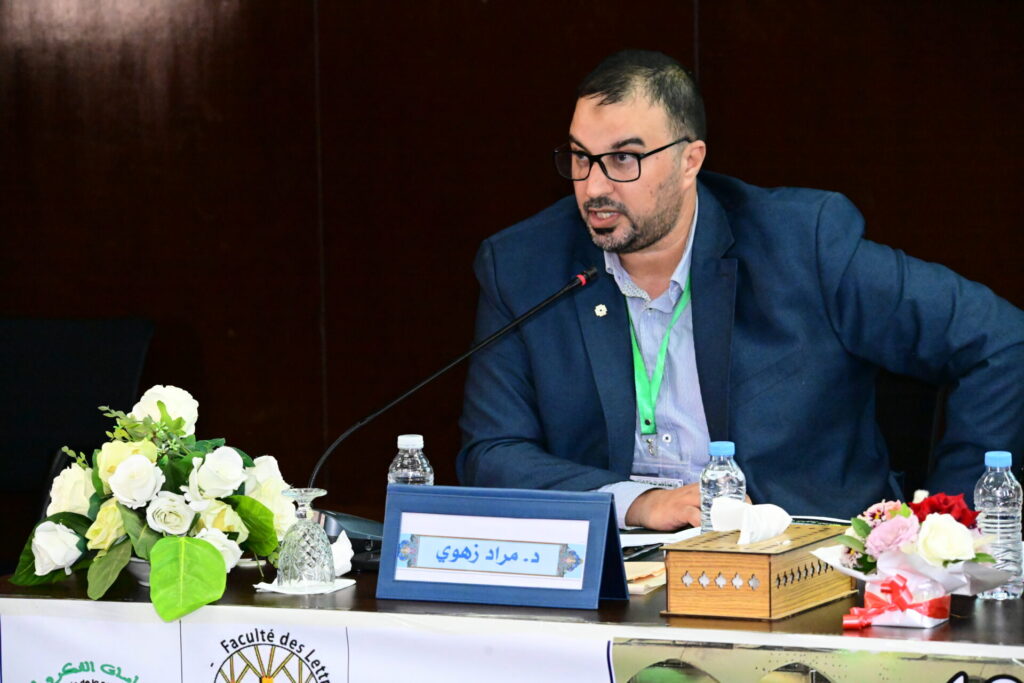
He was followed by Dr Mourad Zahoui, who presented his paper titled “Contemplating meanings of the Noble Qur’ān and its effect in achieving psychological security: An objectives-based approach (Tadabbur al-Qur’ān al-karīm wa atharah fī taḥqīq al-amn al-nafsī: muqārabah maqāṣidiyyah)”. The paper comprised an introduction and three main areas of enquiry. In the first area of enquiry, he discussed the concept of “tadabbur”, i.e. contemplating the meanings of the Noble Qur’ān. In the second area of enquiry, he discussed the crisis of contemporary psychological security between the truth of the soul as elucidated in the Noble Qur’ān, and the quest for meaning. In the third area of enquiry, he explained the objective of contemplating Qur’ānic meaning and its effect in achieving psychological security. Dr Zahoui concluded his paper by speaking about the suffering of the contemporary person in a crisis of soul and absence of meaning. Dr al-Husayn al-Mous reviewed and commented on the paper.
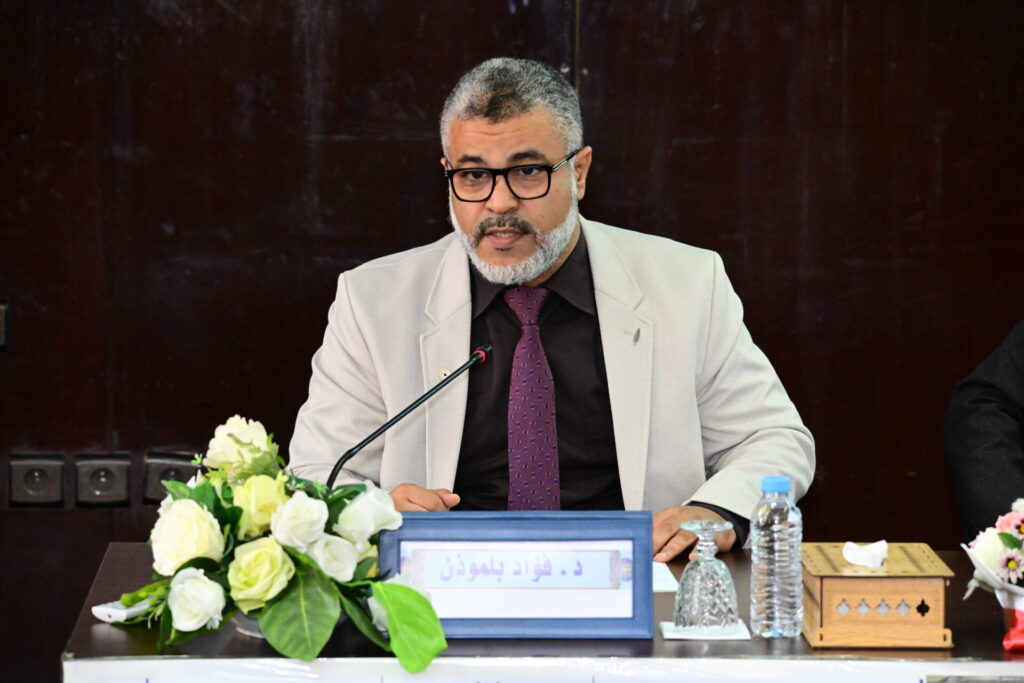
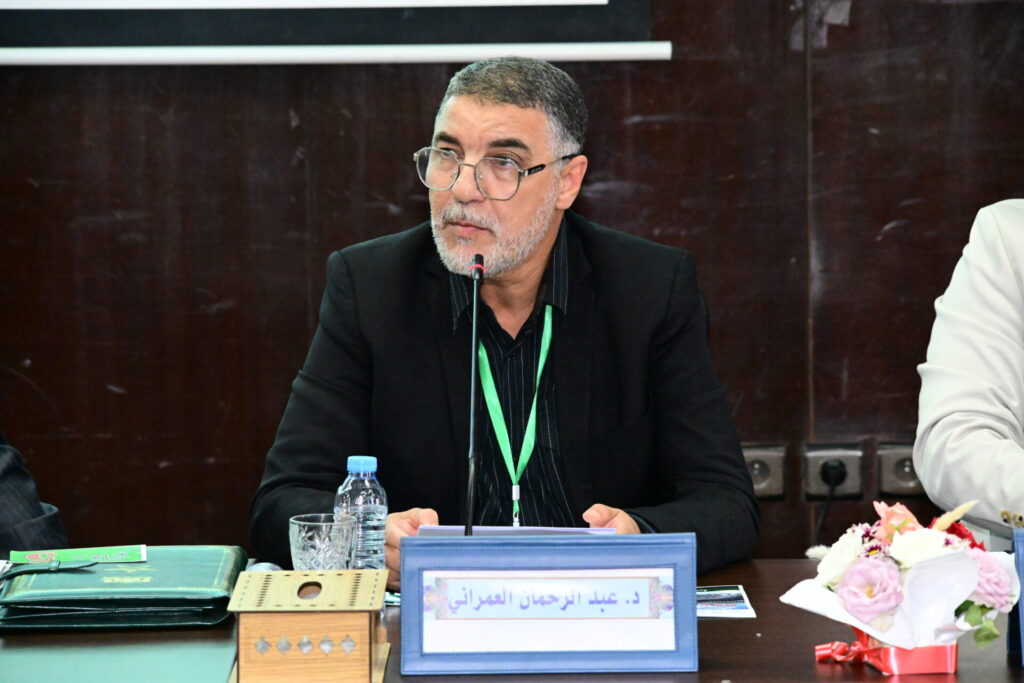
This was followed by the paper presented by Dr Fouad Belmouaden titled “Consultation between Islamic law and worship ritual objectives, and contemporary intellectual and procedural conceptualisations (al-Shūrā bayn al-maqāṣid al-shar‘iyyah wa al-ta‘abudiyyah wa al-taṣawurāt al-fikriyyah wa al-ijrā’iyyah al-mu‘āṣirah)”. He opened with an introduction, in which he affirmed that consultation (shūrā) is an original Islamic principle. He then divided his paper into three parts; in the first, he presented the principle and status of consultation in Islam. In the second, he addressed the legal and worship ritual objectives of consultation. In the third, he explained consultation from the jurisprudential (fiqh) rational consideration to contemporary intellectual and procedural conceptualisations. Dr Abdel Rahman al-Amrani presented his review of the paper.
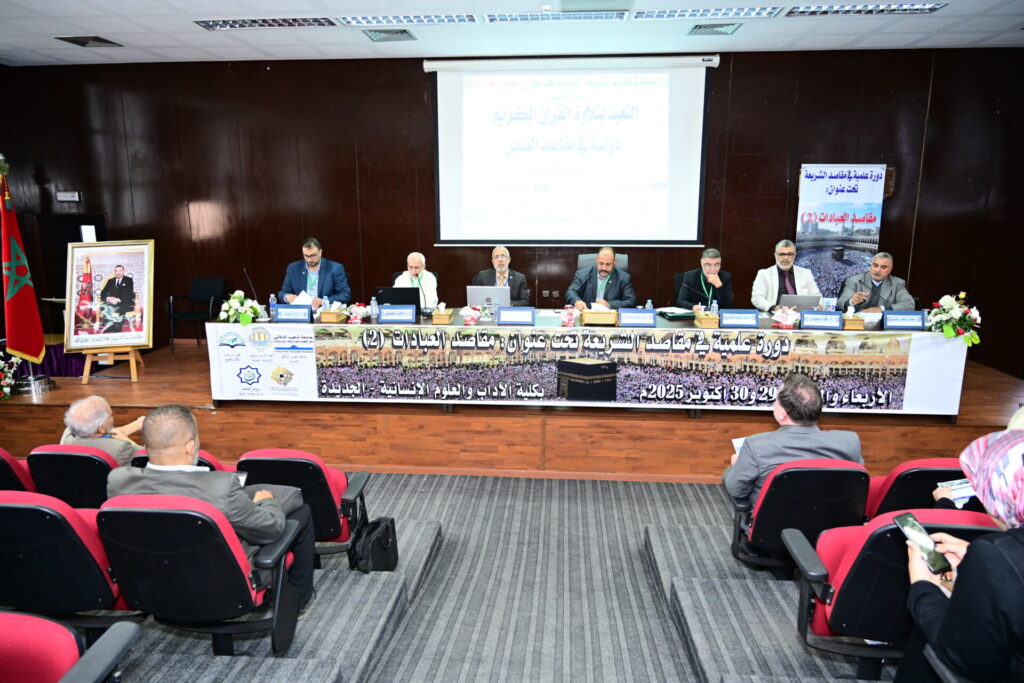
This session closed with discussion.
Second Day: Thursday, 30 October 2025
Third Session (Chair: Dr Abdelmajid Bouchebka)
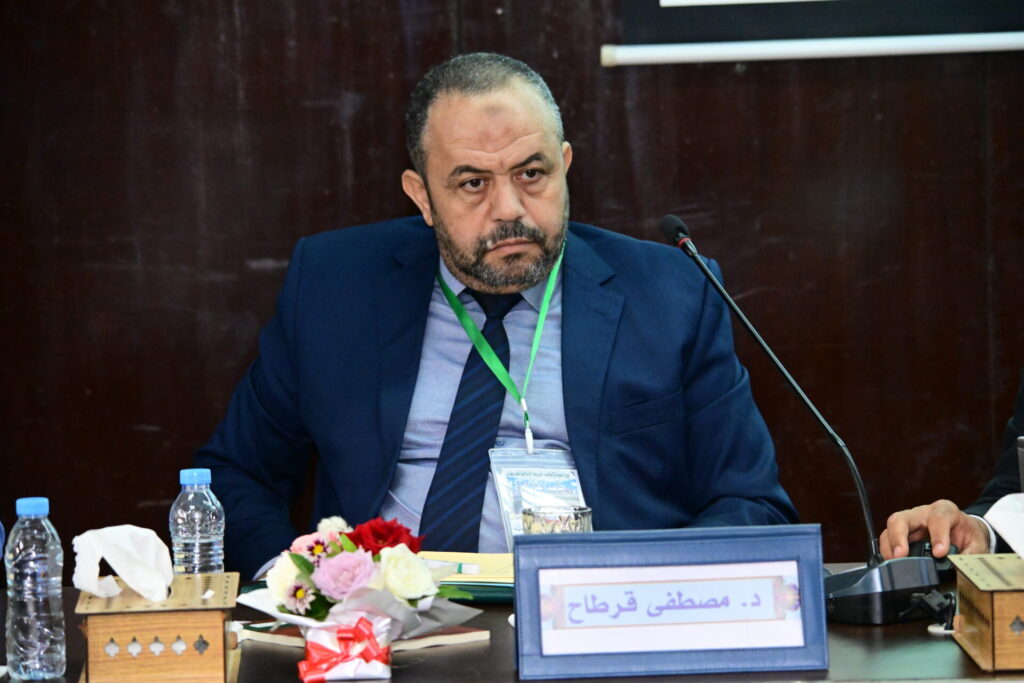
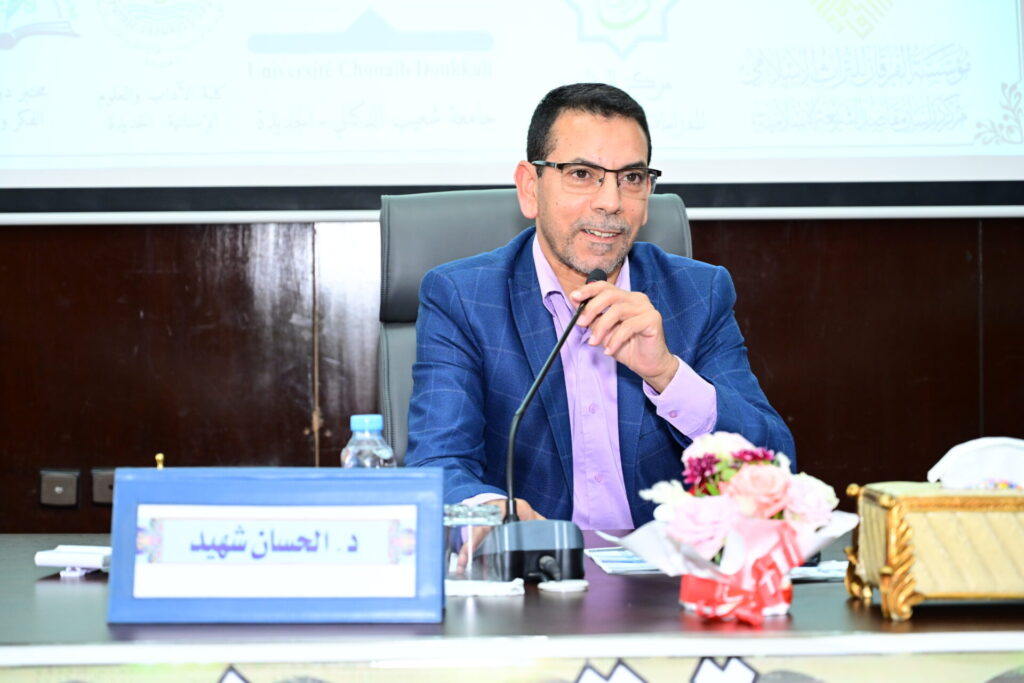
This session opened with Dr al-Hassan Shahid’s paper titled “Objectives of the worship ritual of civilising earth (Maqāṣid ‘ibādat ta‘mīr al-arḍ)”, which he organised into an introduction and four areas of enquiry. In the first, he treated the concept and connection between the relevant terms “ta‘mīr”, “‘umrān”, and “‘imārah”. In the second, he addressed civilising (ta‘mīr) between means (wasīlah) and objectives. The third discussed the requirements of civilising earth. The fourth delved into the objectives of civilising earth. Subsequently, Dr Mustafa Qartah gave a commentary on the paper.
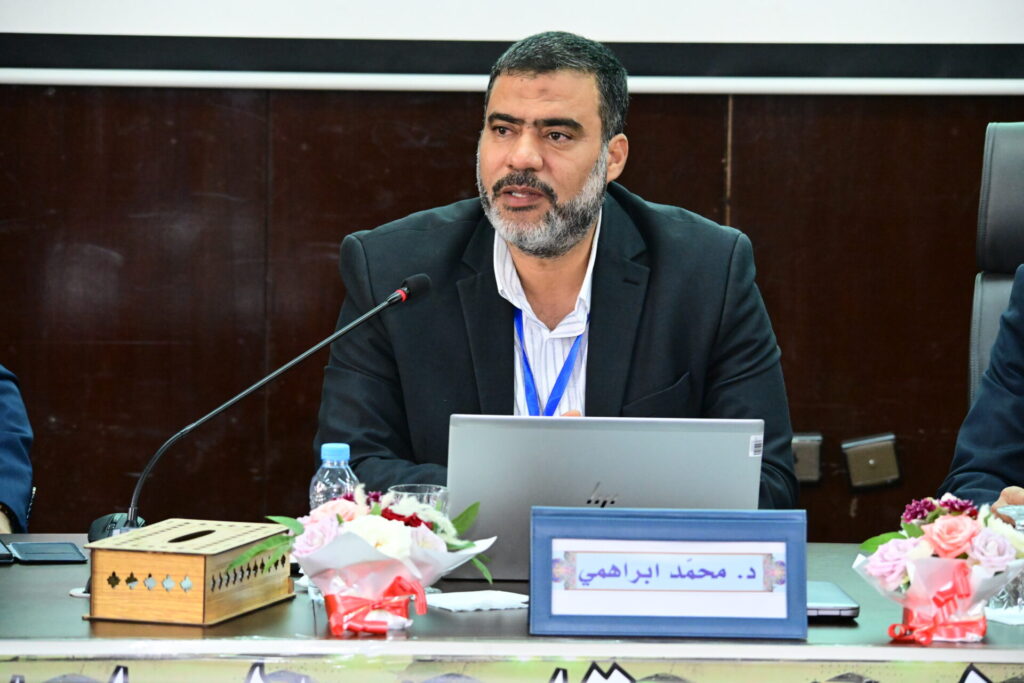
This was followed by Dr Mohamed Brahmi’s paper on “The position of civilising earth vis-à-vis the objective of worship ritual towards an integrated vision in light of the Islamic law objectives (Mawqi‘‘imārat al-arḍ min maqṣad al-ta‘abbud naḥwa ru’yā takamuliyyah fī daw’ maqāṣid al-sharī‘ah al-Islāmiyyah)”. In the introduction, he focused on the importance of combining the material dimension of civilising and development with both the spiritual and moral dimensions. He also pondered on the importance of fully integrated development in light of the objectives of Islamic law compared to contemporary philosophical perspectives. Dr Mohamed Mouhoub commented on the paper.
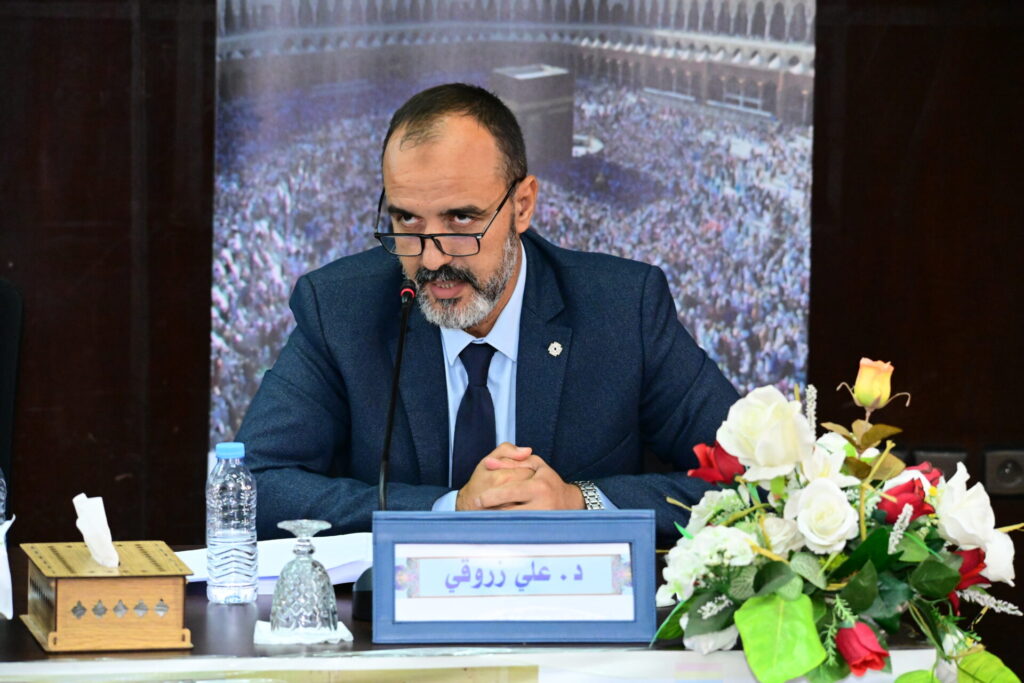
Dr Abdelkabir Hamidi then delivered a paper titled “The worship ritual of consultation in Islam: Dimensions and objectives (‘Ibādat al-shūrā fī al-Islām: Ab‘ādahā wa maqāṣidahā)”. He opened with an introduction focused on the importance of consultation as a worship ritual, and its elevated status in Islam. He divided his paper into five areas of enquiry, where the first addressed the worship ritual of consultation in Islam. The second presented the textual evidence from the principal sources of Islam (ta’ṣīl) establishing consultation as a worship ritual. The third explored the Islamic law objectives, whether found in the principal texts or derived from creative juristic effort (ijtihād). The fourth concentrated on the civilisational dimensions of the objectives of consultation in the life of the Muslim nation. In the fifth, he clarified ways to activate the worship of consultation. Dr Ali Zarouqi reviewed and commented on the paper.
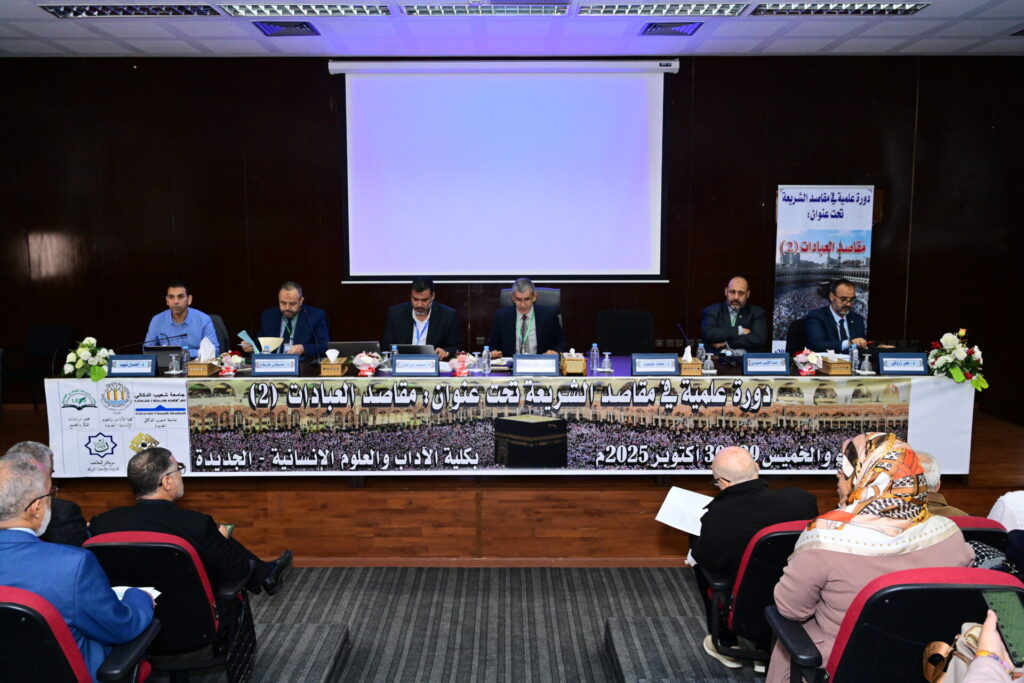
Subsequently, discussion took place.
Fourth Session (Chair : Dr Mustafa Qartah)
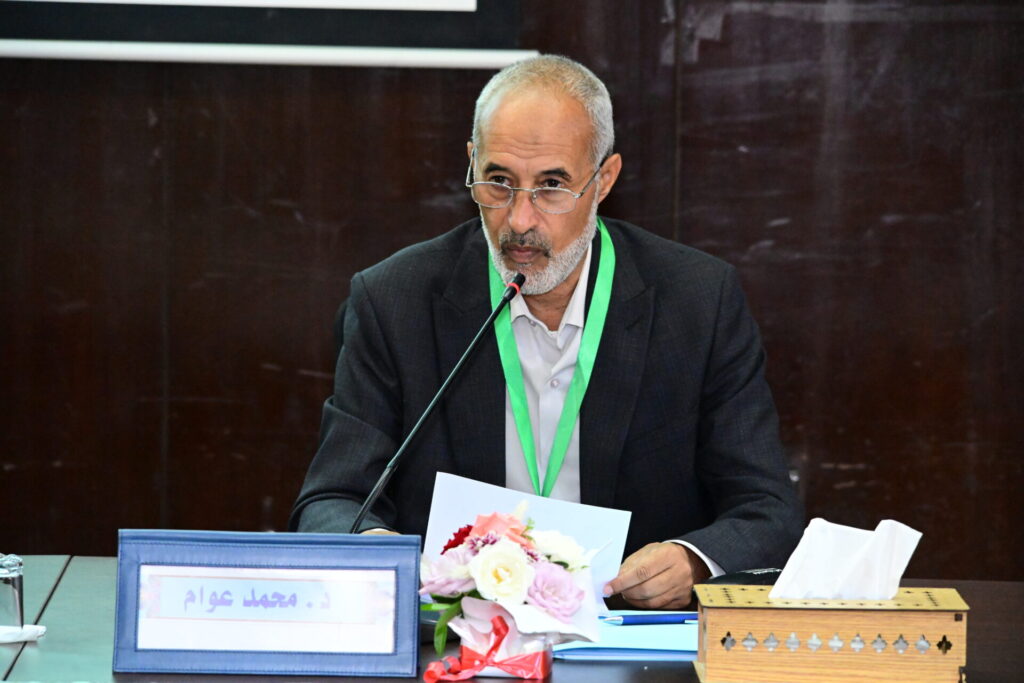
This session opened with the paper by Dr Mohamed Aouam, who chose the title “The objective of the worship ritual of contemplation and rational consideration (Maqşad ‘ibādat al-tafakkur wa al-naẓar)”. He structured the paper around an introduction and three areas of enquiry. The first was an analysis of key terms used, namely “contemplation (al-tafakkur)” and “rational consideration (al-naẓar)” in language and terminology, with reference to their synonyms. In the second area of enquiry, he mentioned the textual evidence for this worship from the principal sources of Islam. In the third, representing the core of the paper, he expanded on the objectives of the worship ritual of contemplation and rational consideration. Dr Hasan Hama provided a review of the paper.
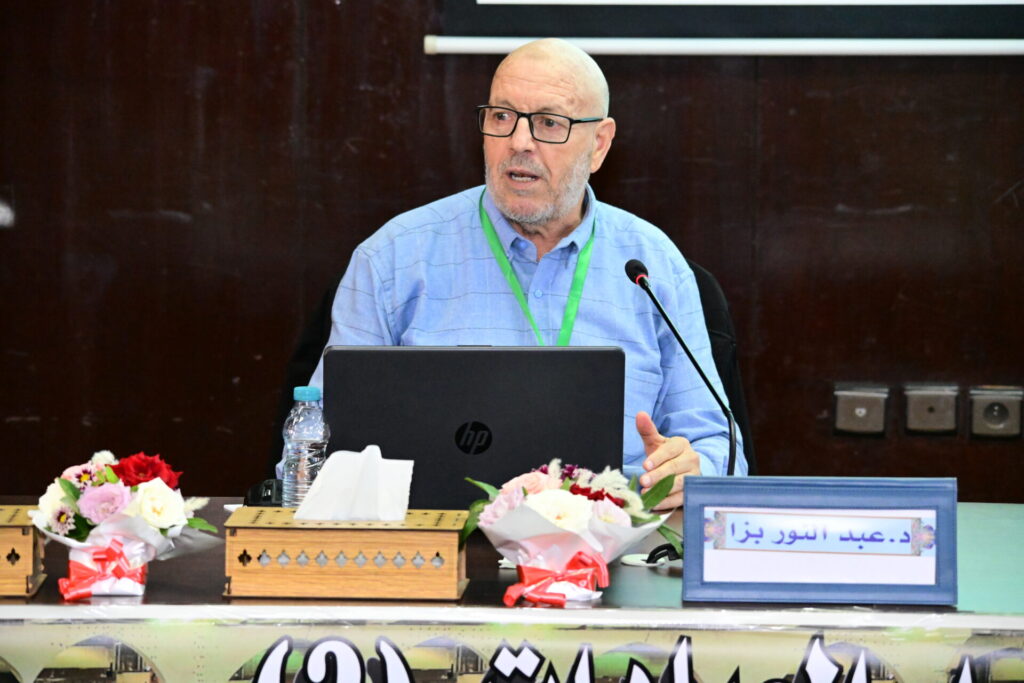
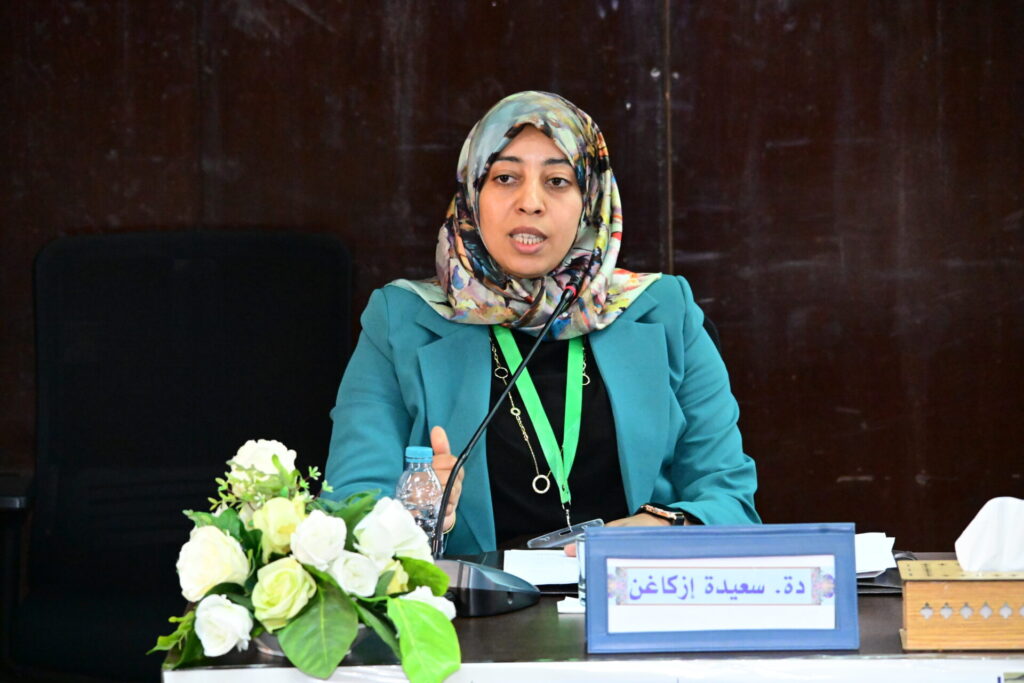
Subsequently, Dr Abdel Nour Baza presented his paper on “The worship ritual of charitable work: Objectives and means (‘Ibādat al-‘amal al-khayrī: Maqāṣidahā wa wasā’ilahā)”. He paved the way with an introduction, then divided the paper into three areas of enquiry. In the first, he addressed the terms appearing in the title. In the second, he dwelt upon elucidating the objectives of the worship of charitable work. In the third, he indicated some of the means employed in the worship of charitable work. Dr Saida Askaghine commented on the paper.
This was followed by Dr Ibrahim Bayoumi Ghanem’s paper, which was read on his behalf and commented upon by Dr Abdelmajid Bouchebka. The chosen title was “The Islamic law objectives of the worship ritual of endowment (Maqāṣid al-sharī‘ah fī ‘ibādat al-waqf)”. The paper comprised an introduction, and three elements. In the first, he discussed the worship ritual of endowment, and the textual evidence from the principal Islamic sources for the objectives. In the second, he addressed the matter of regulating the conditions of endowers according to the Islamic law objectives. In the third, he clarified the contribution of endowment as a worship ritual in realising the Islamic law objectives.
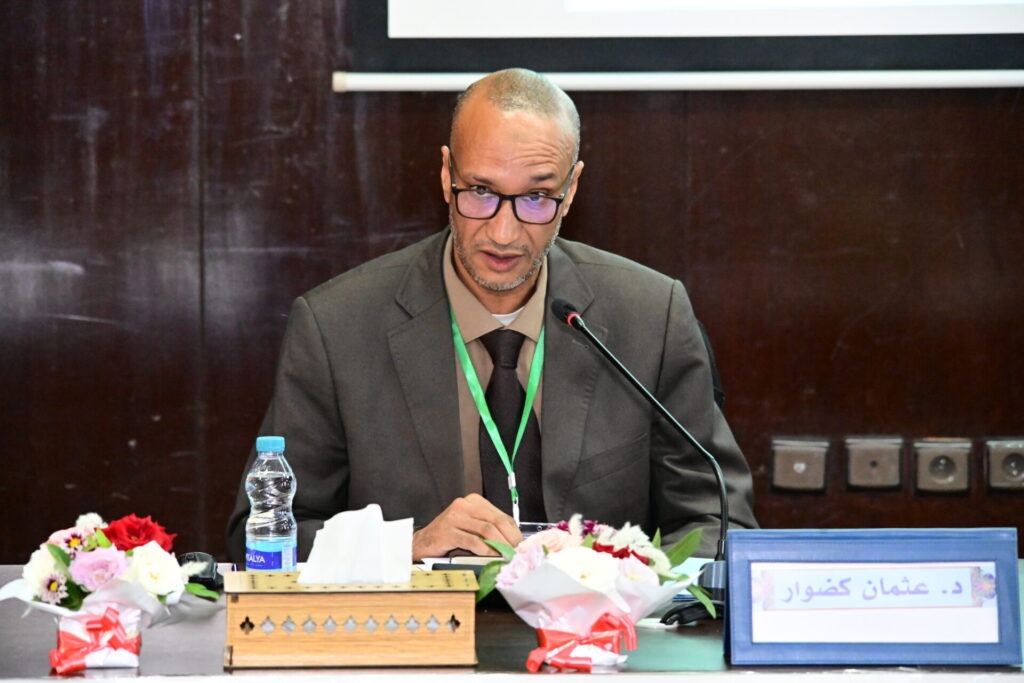
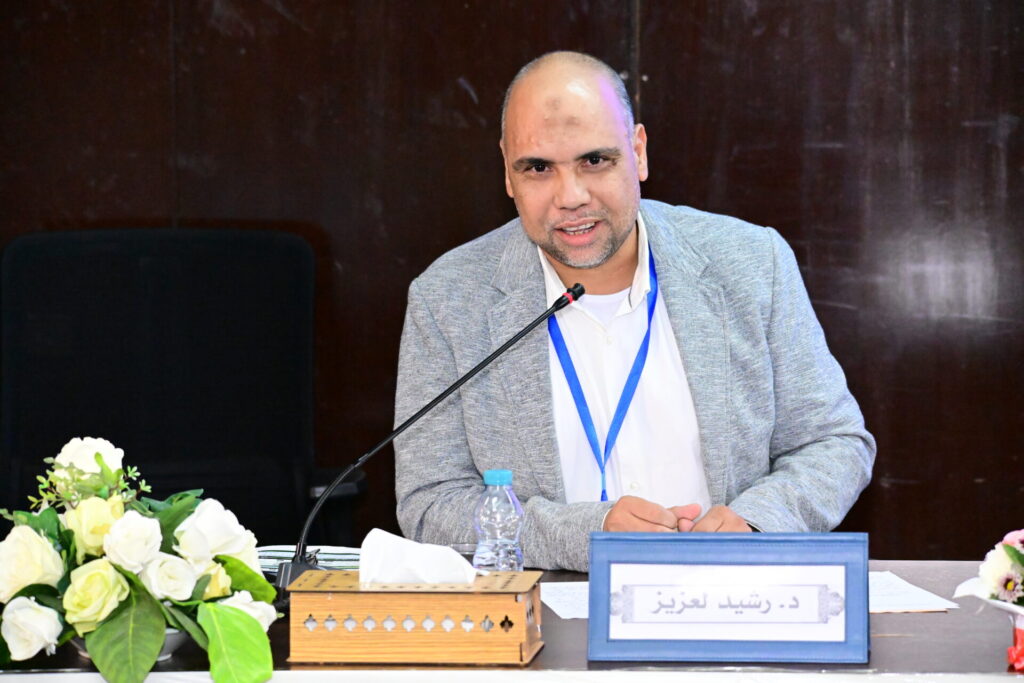
This was followed by Dr Uthman Kidwar’s paper, titled “The objectives of the worship ritual of mutual social support (Maqāṣid ‘ibādat al-takāful al-ijtimā‘ī)”. In the introduction, he explained the importance of the worship ritual of mutual social support. He divided his paper into two areas of enquiry, where the first comprised a conceptual examination and textual evidencing from the principal Islamic sources. The second covered the objectives-based dimensions of mutual social support. Subsequently, Dr Rachid L’Aziz presented a commentary on the paper.
Closing Session (Chair: Dr al-Husayn al-Mous)
The Closing Session began with Dr Ahmed Kafi reading those recommendations arising from the training course, which represented potential topics for future papers, or training courses in the science of Islamic law objectives.
Closing speeches ensued from representatives of the organising bodies.
Mr Sali Shahsivari—Managing Director of Al-Furqān Islamic Heritage Foundation emphasised the firm resolve to continue the journey of research and instruction on the objectives, exploring other topics, with the permission of Allah, the Almighty. He pointed out that this second training course had highlighted topics no less important than previous ones. He also explained that it was not possible to claim full coverage of all aspects of the questions, nor was it the objective of these training courses; indeed, fully addressing all areas was a difficult undertaking. Rather, the mission of these training courses lay in bringing out these topics from obscurity, and incentivising researchers to stay up-to-date, and continue this journey.
Dr Mustafa Qartah, member of the Maqāṣid Centre for Research & Studies, followed with a speech full of praise for Allah, the Almighty, and expressing gratitude and appreciation to the organising bodies, and all the instructors and students, who had contributed to the success of this training course. This entailed upholding a higher standard of seriousness, novelty, feasibility, and effectiveness in scientific research. He also emphasised the importance of strengthening the partnership between the Maqāṣid Centre for Research & Studies and Al-Furqān Foundation in the pursuit of scientific research and building civilisation.
Subsequently, Dr Fouad Belmouden, Head of the Islamic Studies Department in El Jadida, expressed his sincere thanks and appreciation to all the bodies organising this outstanding scientific event. He also thanked the participating scholars and all the students and researchers present.
In turn, Dr Abdelmajid Bouchebka, Director of LEPS, thanked all the organising bodies, namely Al-Furqān Foundation, the Maqāṣid Centre, the University Presidency, and the Deanery. He also appealed to the researchers advising them to actively pursue all the issues, covered in the training course or mentioned in passing.
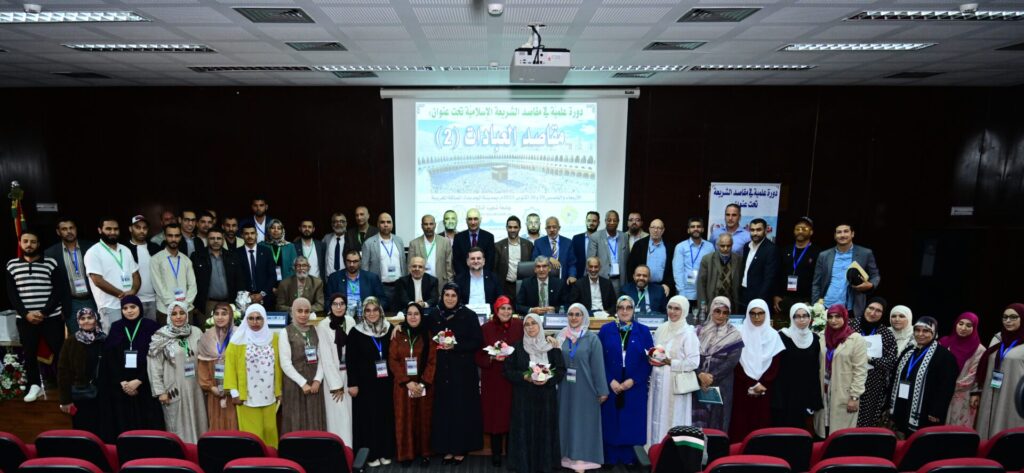
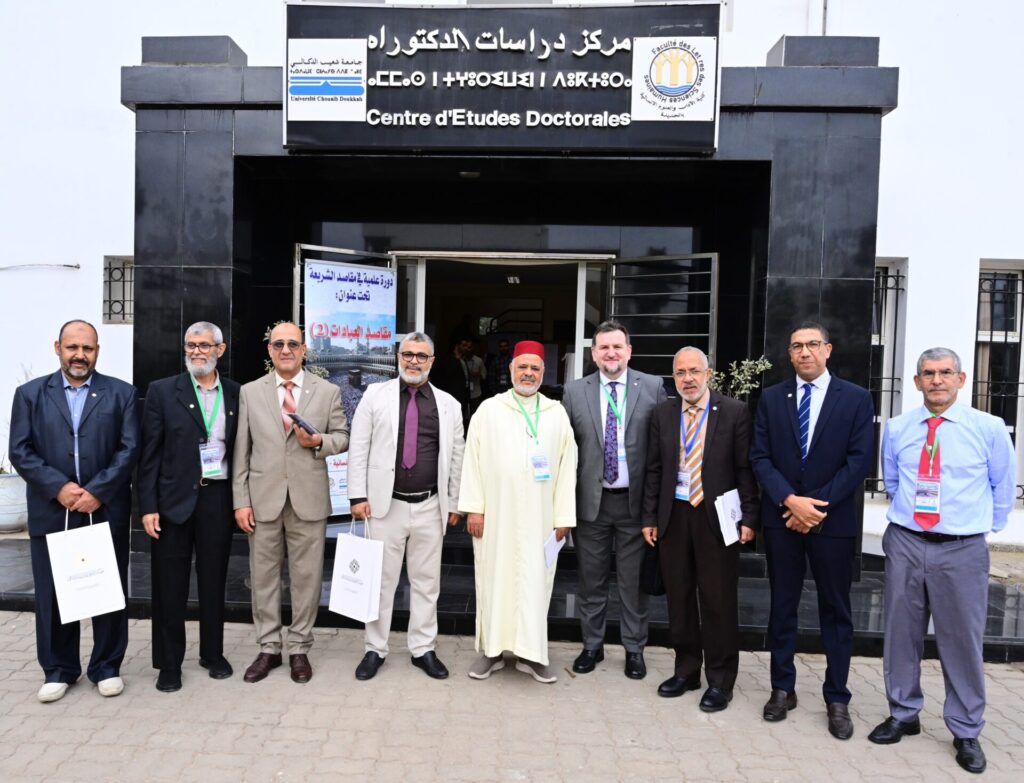
The session concluded with a group photograph of the participants, and a tea reception.