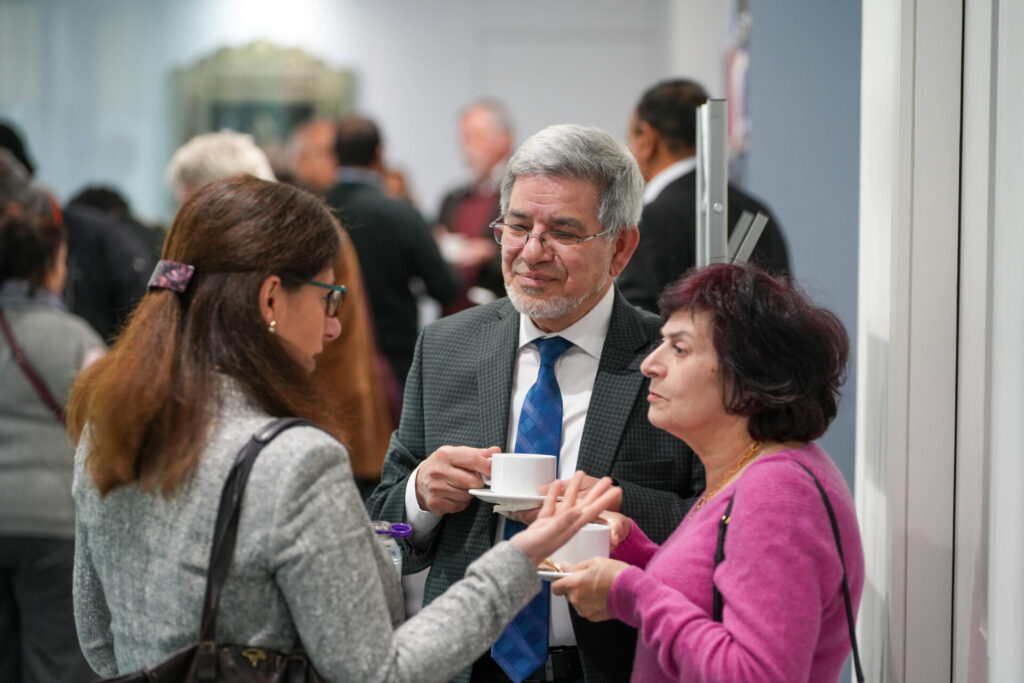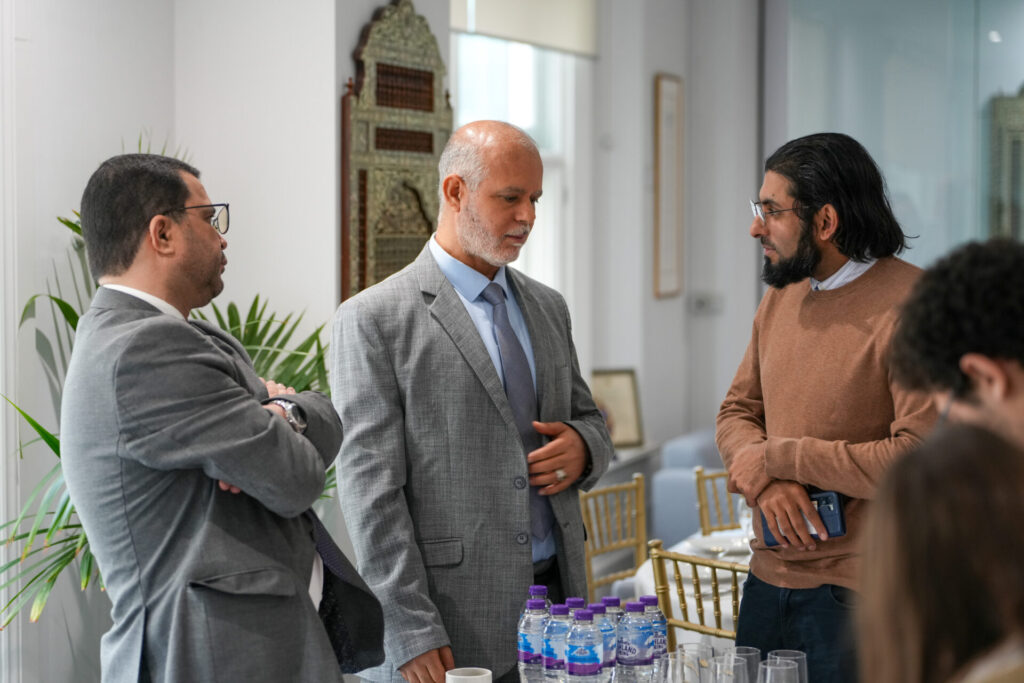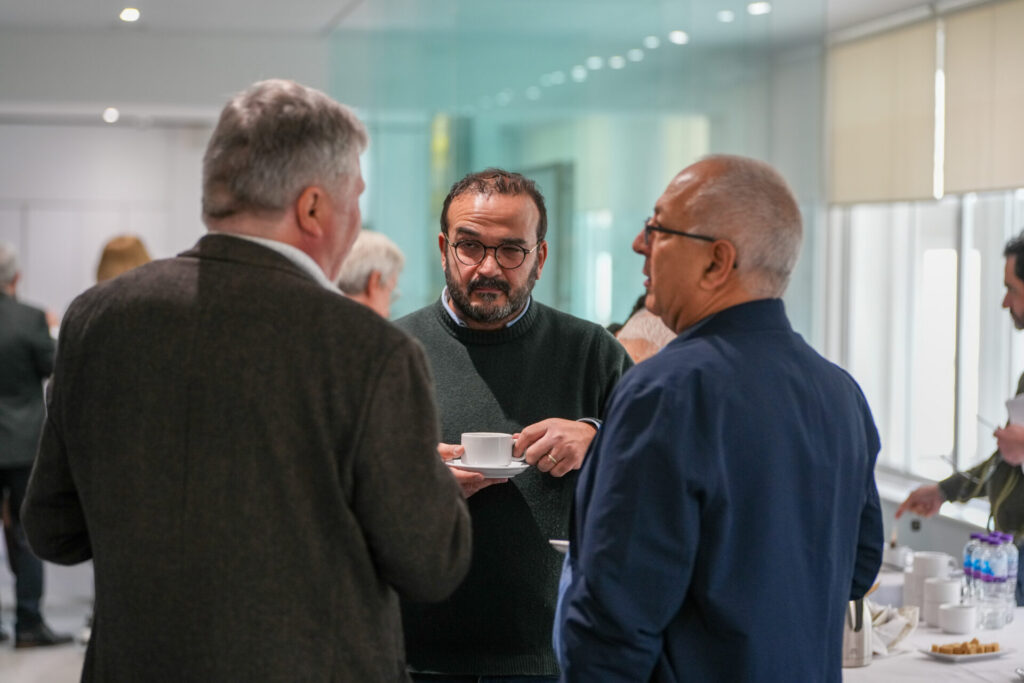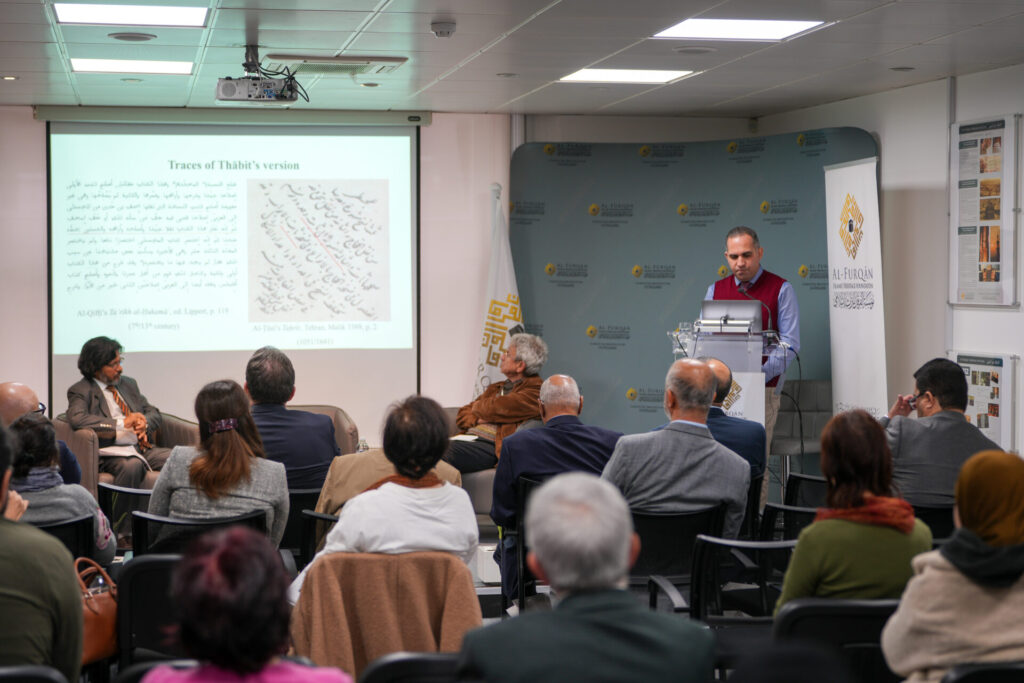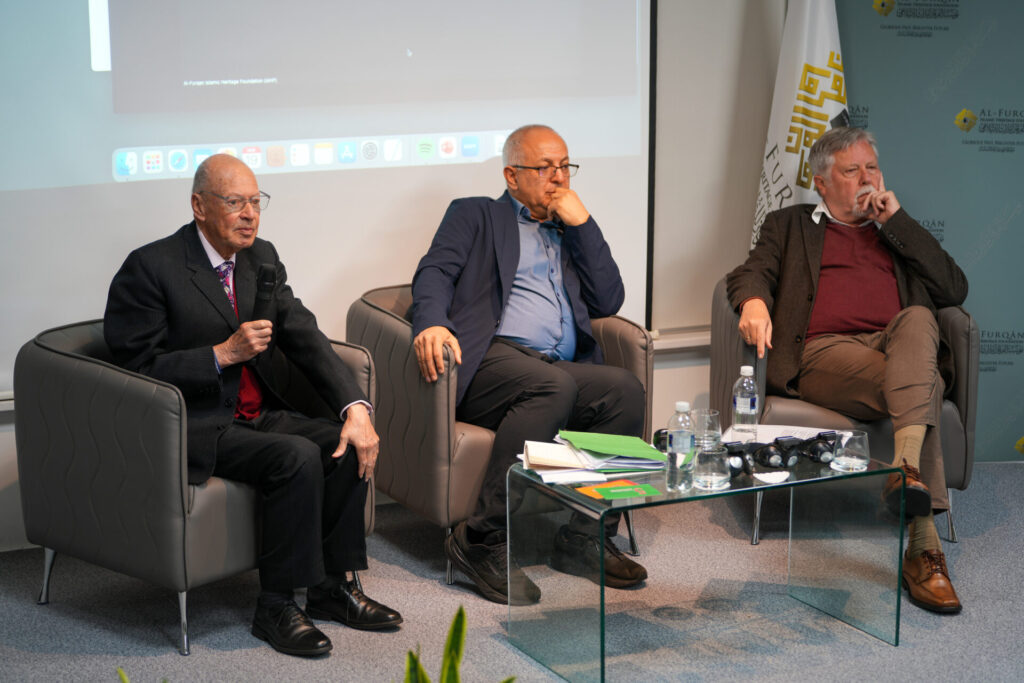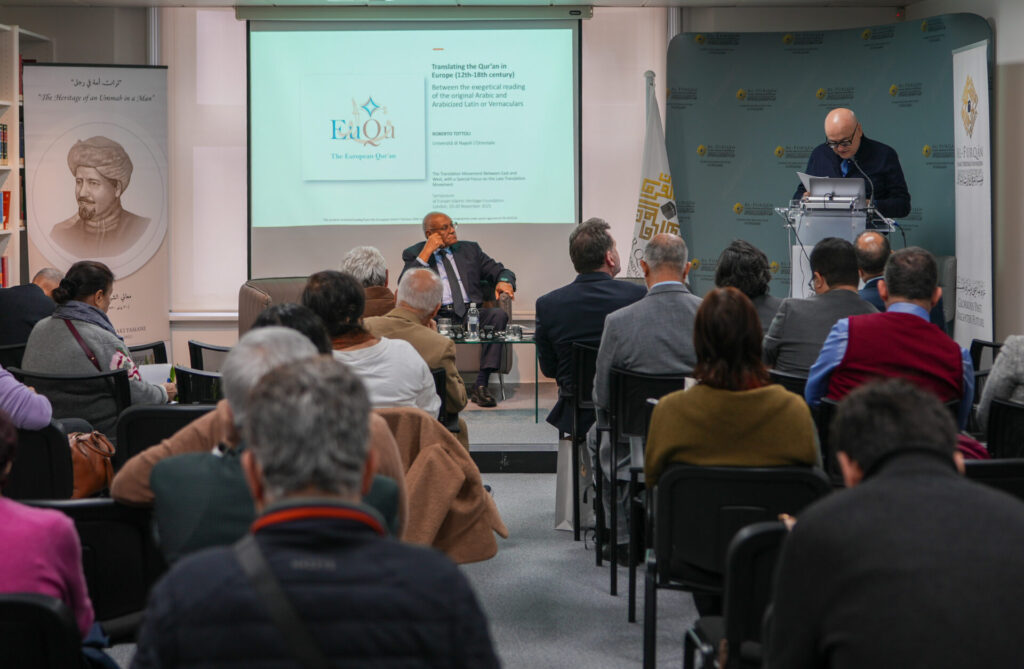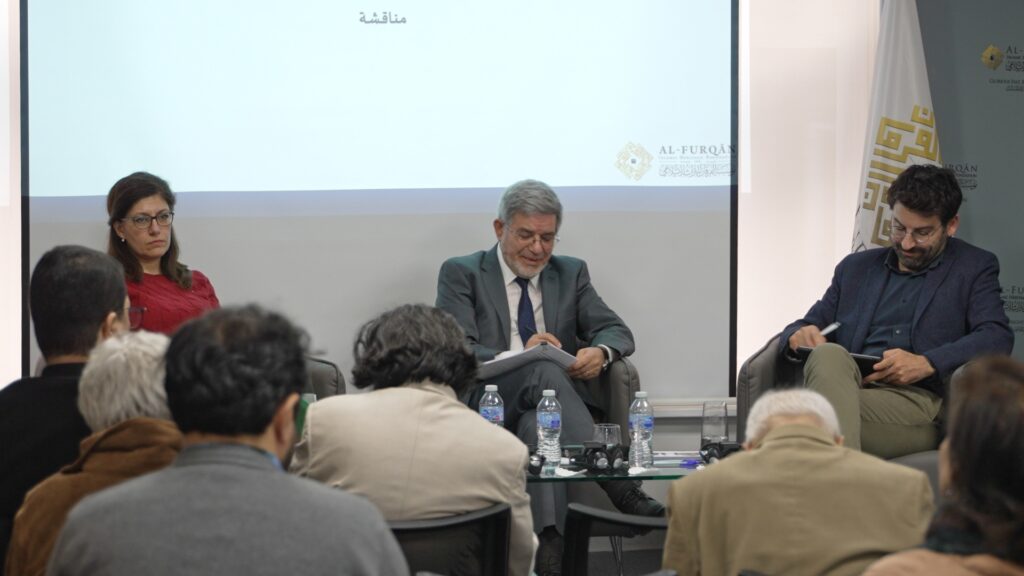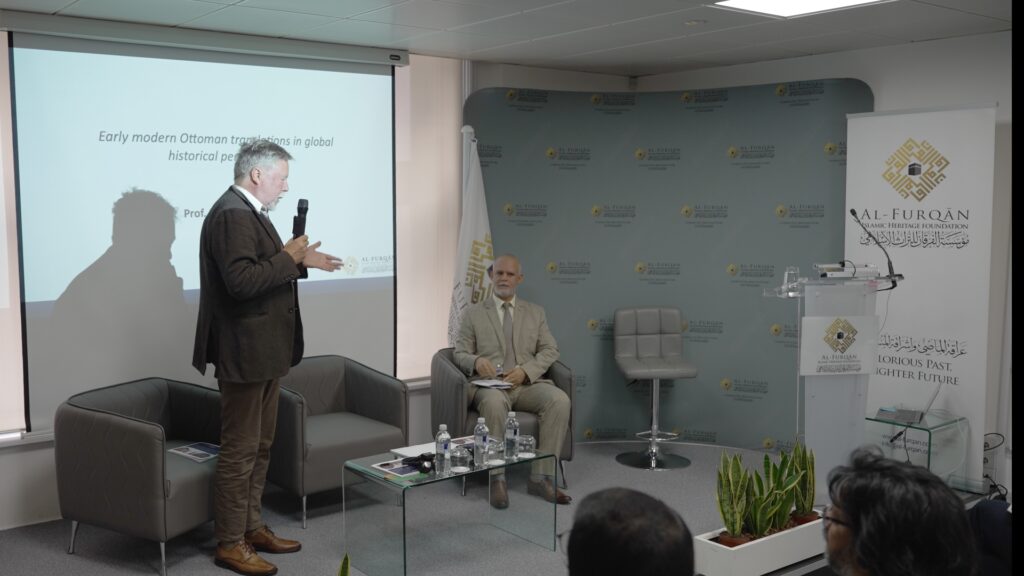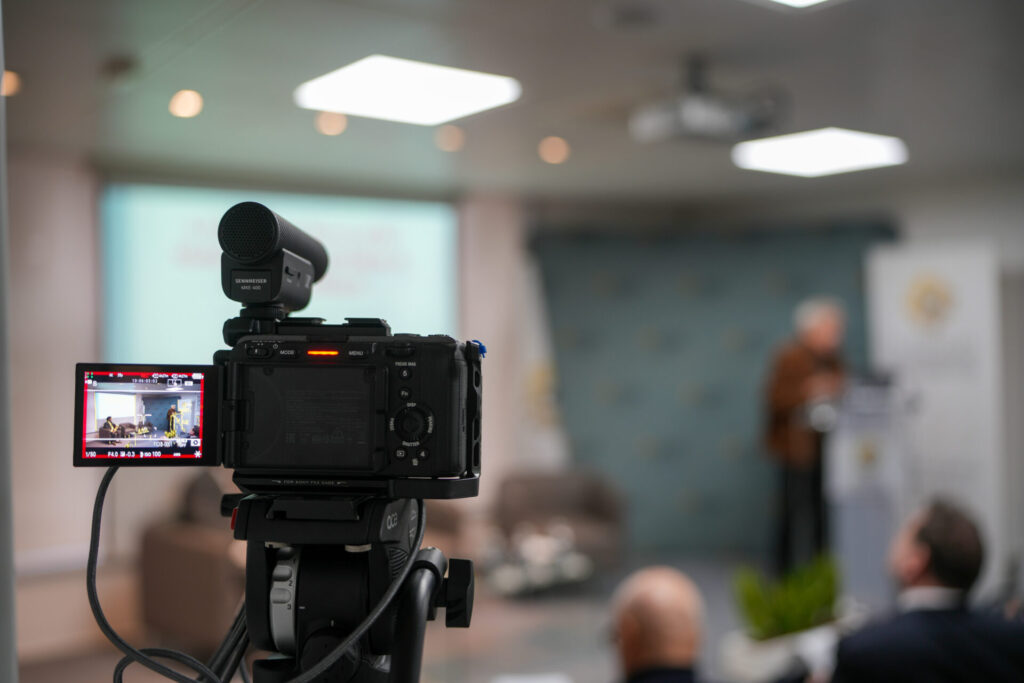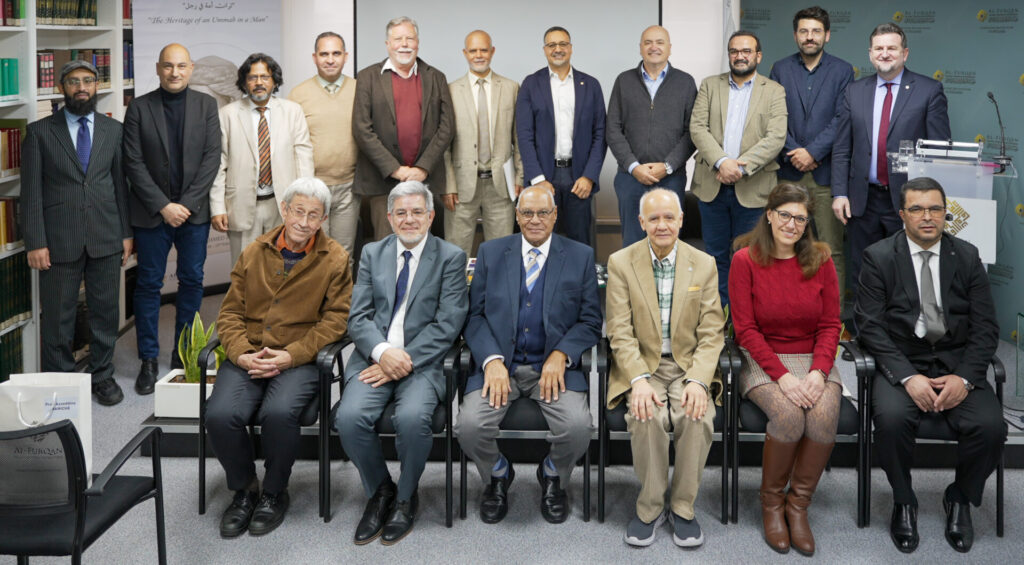
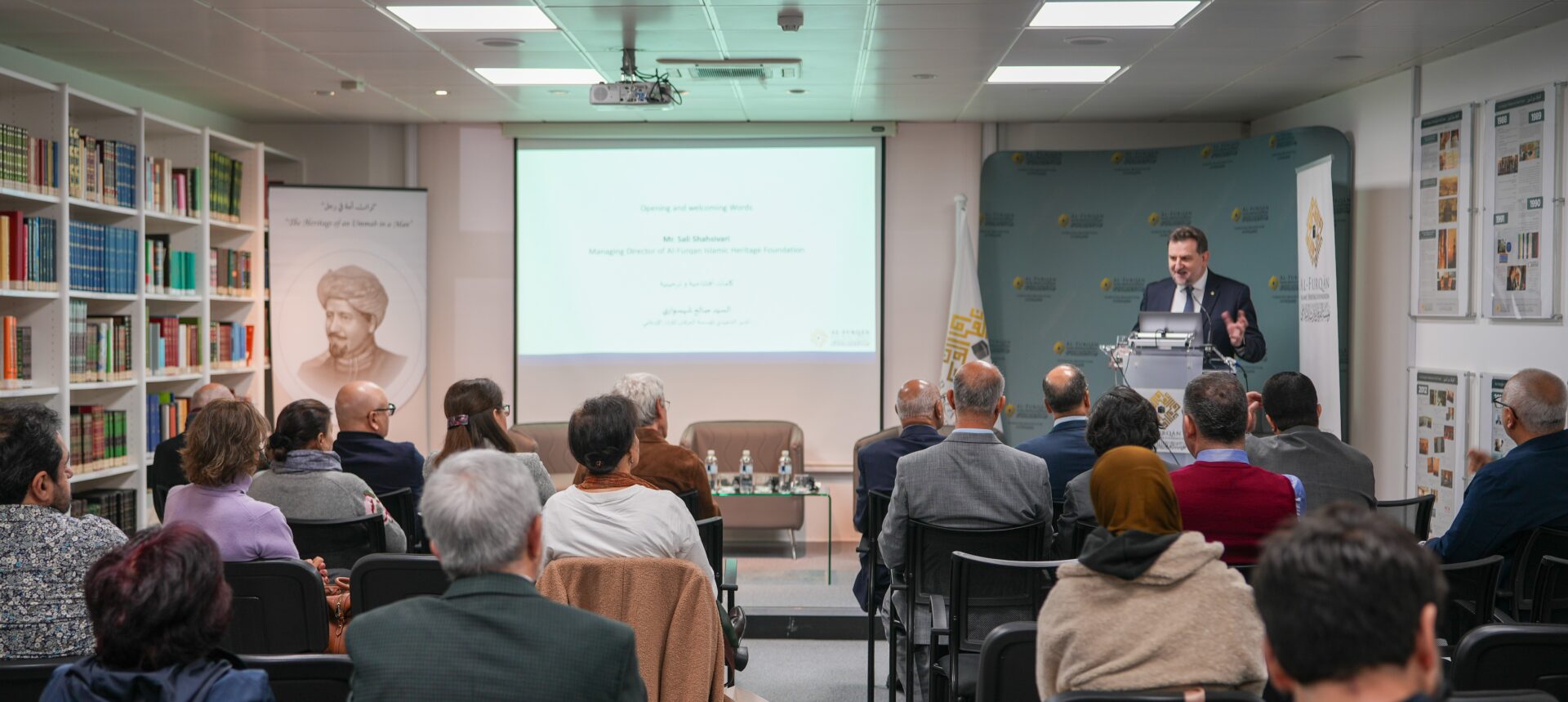
Al-Furqan Islamic Heritage Foundation organised a symposium under the title "The Translation Movement between East and West, with a Special Focus on the Late Translation Movement", held on 19-20 November 2025, at Al-Furqan headquarters in London.
From the earliest periods of recorded history until today, translation has played a crucial role in disseminating scientific knowledge. The translation movement has been one of the most important and powerful tools in the exchange of knowledge and in the development of science.
During the medieval period, as a result of the famous Graeco-Arabic translation movement, Arabic emerged as a 'lingua franca' of scientific exchange. For most of the medieval and early modern periods, Latin was the 'lingua franca' of scientific exchange. Then, we started to see the reverse translation movement from different European languages into Arabic, Persian, and Ottoman.
In order to shed light into this important aspect of the scientific exchange and cultural fusion between East and West; and in light of the success of the previous symposium under the title "The Translation Movement Between East and West" (which took place in November 2023); based on the proposals that came out during that symposium; taking into consideration that there were some aspects related to this topic that were not covered; and, in order to focus more on the Third Translation Movement, i.e., from Latin / European Languages to Arabic, Ottoman Turkish, Persian and other languages in the pre-modern and early modern era, Al-Furqan Foundation organised the second symposium, "The Translation Movement Between East and West, with a Special Focus on the Late Translation Movement".
The participants and guests were welcomed with warm words by Mr. Sharaf Yamani, Chairman of Al-Furqan; and Mr. Sali Shahsivari, Managing Director of the Foundation.
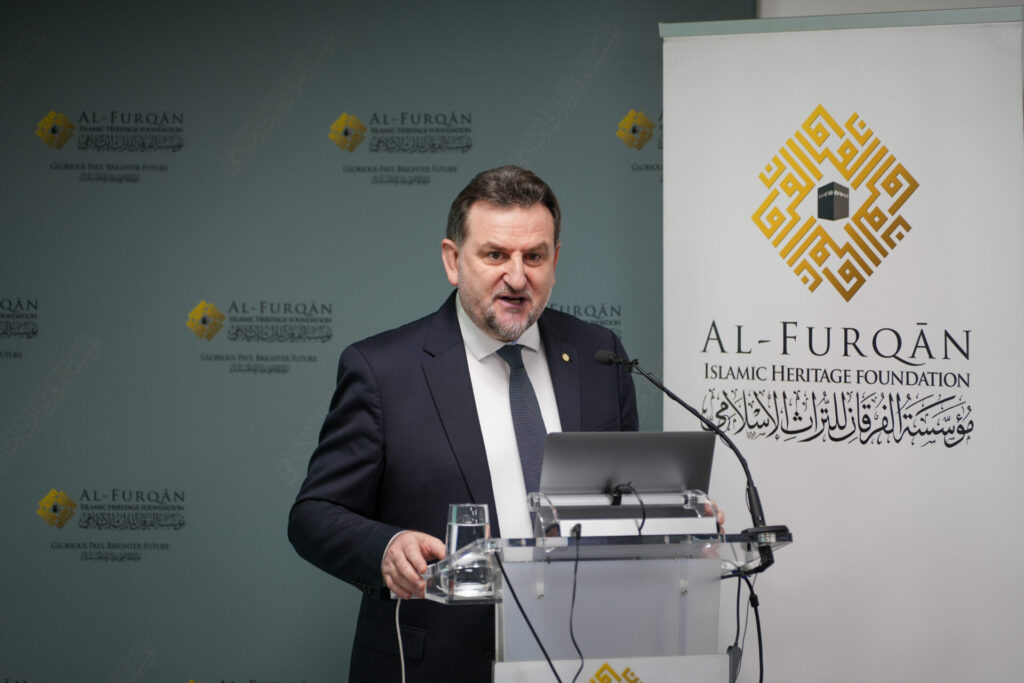

Day 1
The first session was entitled 'The 1st Translation Movement', i.e., from Aramaic, Chinese, Indian, Sanskrit, Syriac and Other languages to Arabic, Persian and Ottoman language. It was chaired by Prof. Charles Burnett.
The speakers included Prof. Mohd. Sanaullah Nadawi, who delivered a lecture entitled "India's contribution to medieval Baghdad"; and Dr. Pouyan Rezvani, whose presentation was titled "A comparative survey of the medieval Arabic translations of Ptolemy's Almagest".
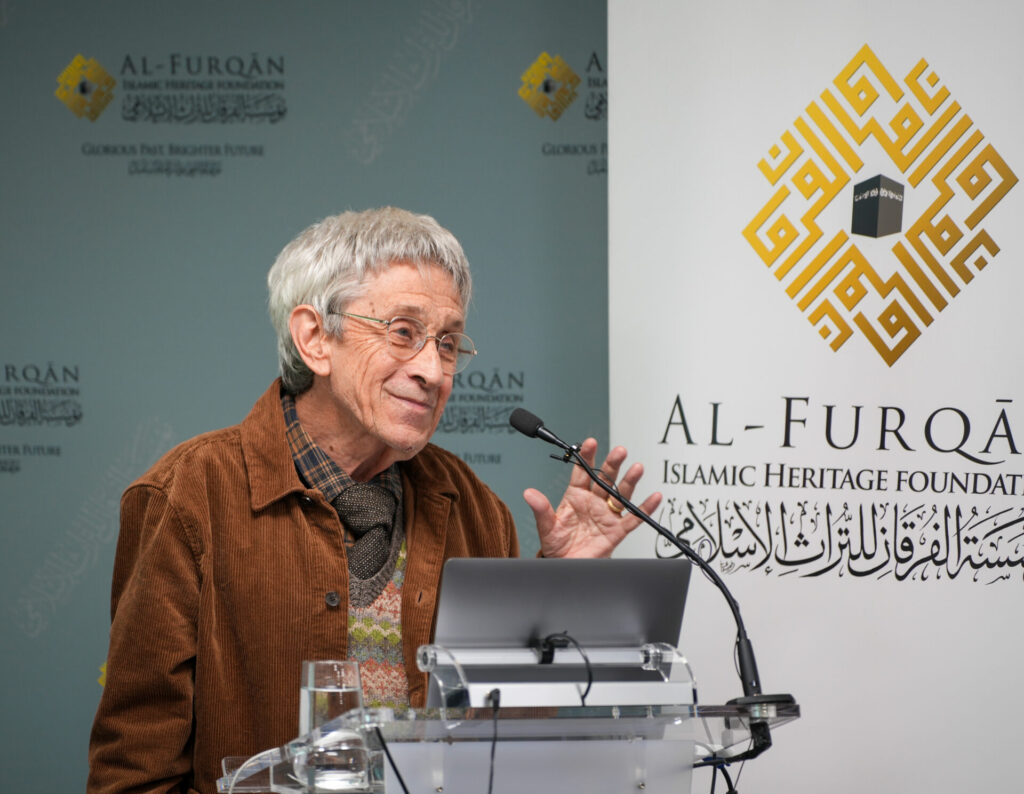
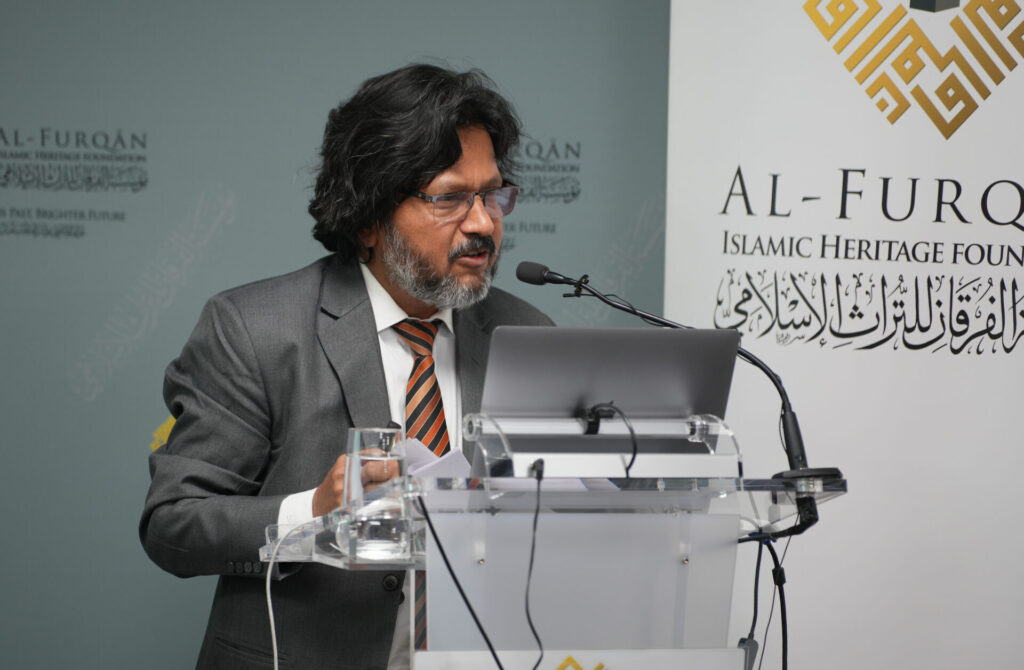
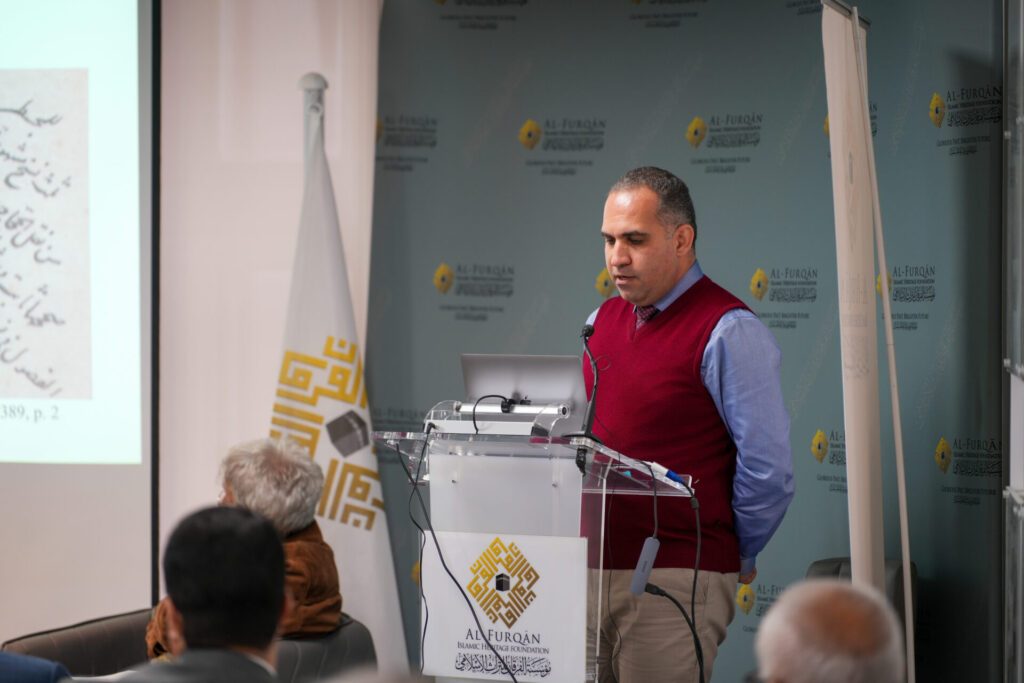
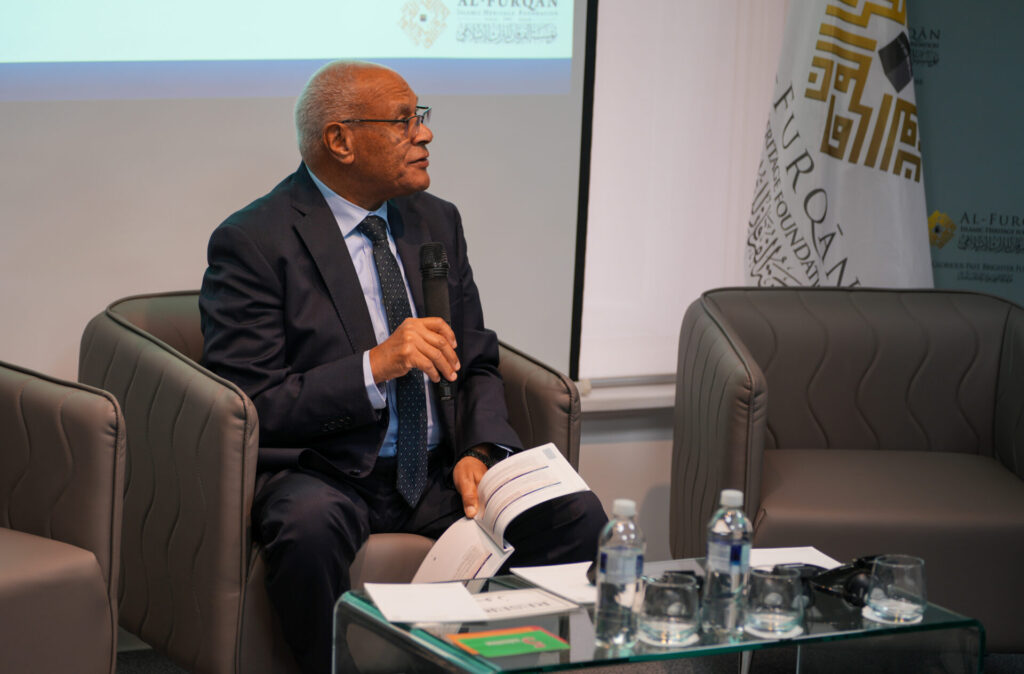
The second session was entitled 'The 2nd Translation Movement', i.e., from Arabic, Ottoman and Persian to Latin, Hebrew and Other languages. It was chaired by Prof. Mohammed Salim Elawa.
The speakers included Prof. Roberto Tottoli, who delivered a lecture entitled "Translating the Qur’an in Europe (12th-18th century): between the exegetical reading of the original Arabic and Arabicized Latin or Vernaculars"; and Prof. Ezzeddine Mamiche, whose presentation was titled "The Movement to Translate Arabic Heritage into Latin After the Establishment of the Asiatic Oriental Society in the Nineteenth Century: A Bibliographical and Scientific Study".

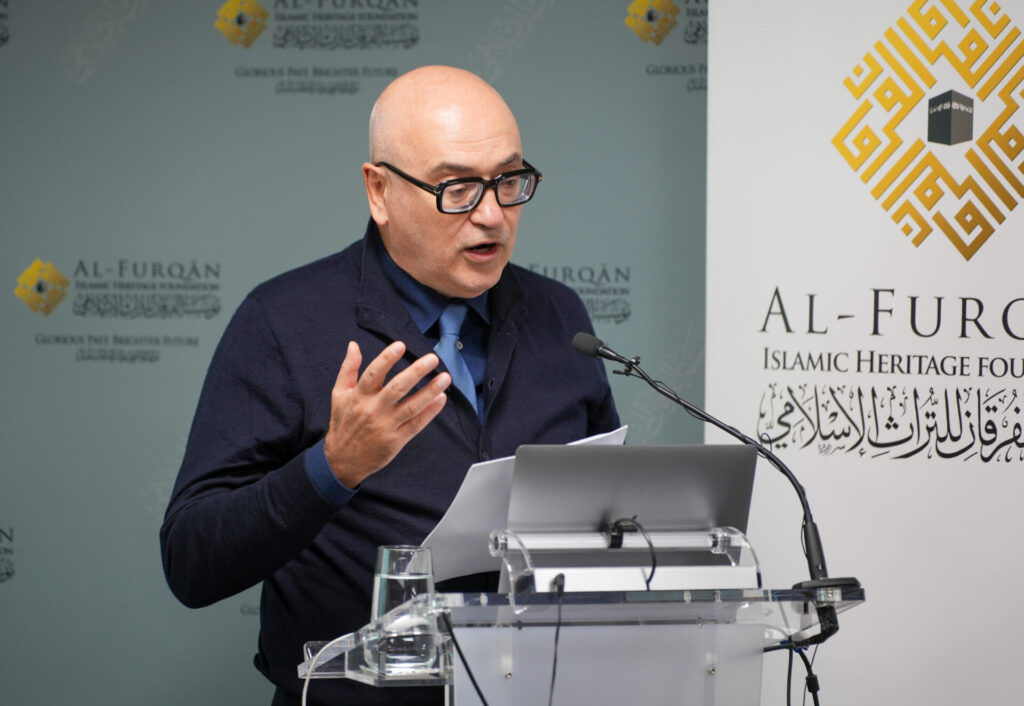
The third session was entitled 'The 3rd Translation Movement', i.e., from Latin / European Languages to Arabic, Ottoman, Persian and other languages in the pre-modern and early modern era. It was chaired by Prof. John Brooke.
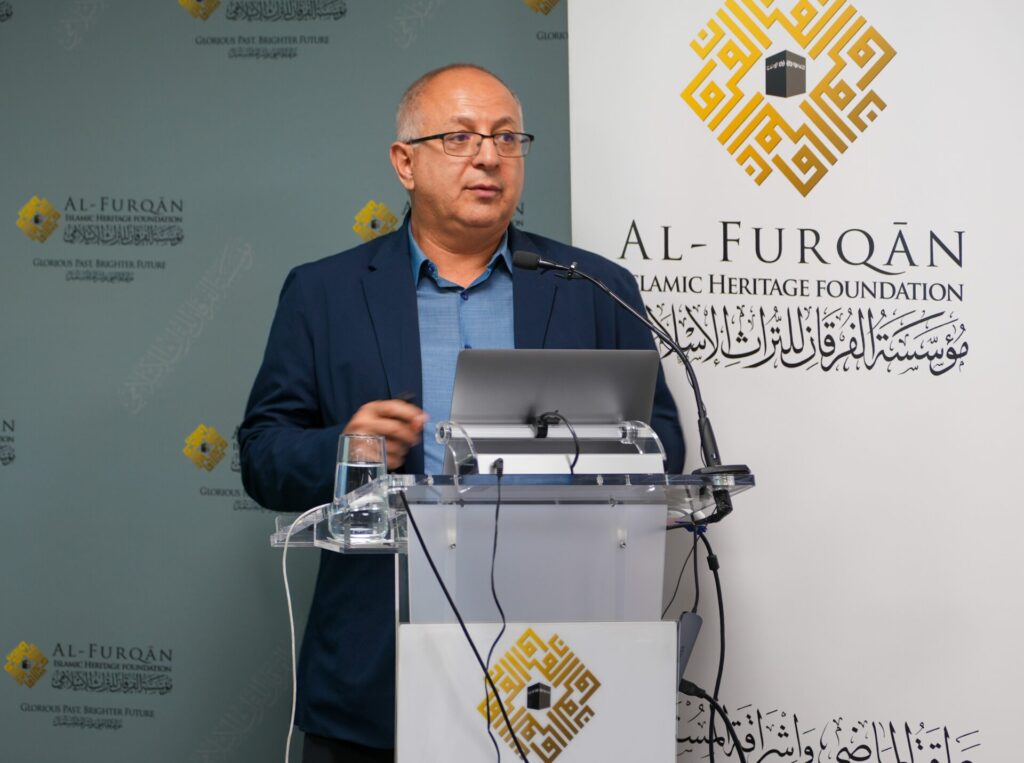
The speakers included Prof. Ekmeleddin Ihsanoglu, who delivered a lecture (remotely via Zoom), entitled "Creating modern Ottoman terminology"; Prof. Johann Strauss, who delivered a lecture entitled "Who translated what in the Ottoman Empire (17th – 20th)"; and Prof. Cemil Aydin, whose presentation was titled "Politics of translating European science and ideas into Islamicate languages during the era of colonialism and decolonization".
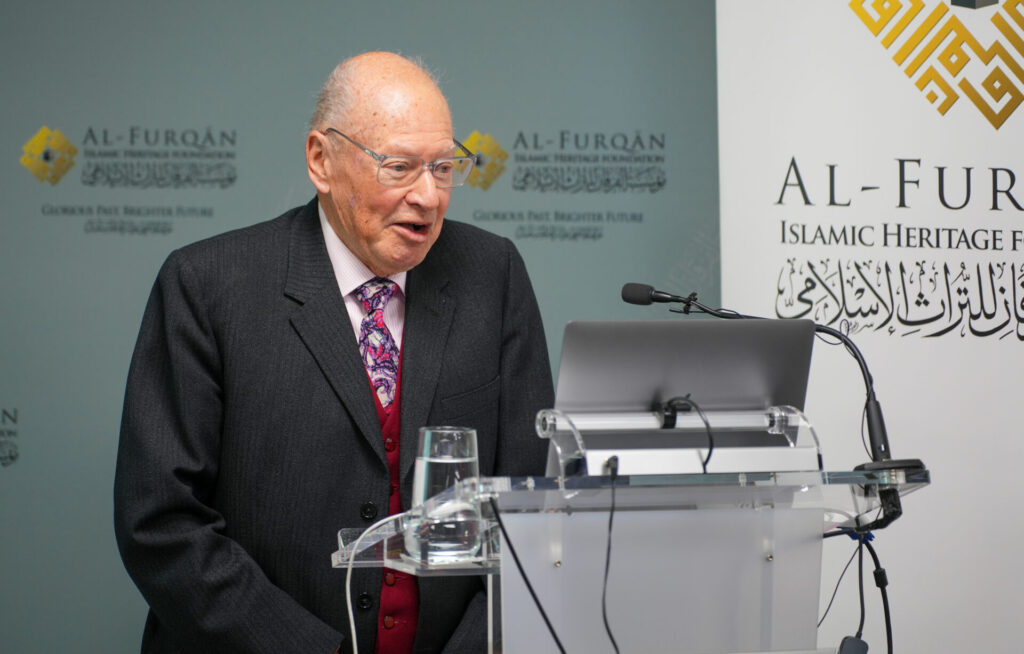
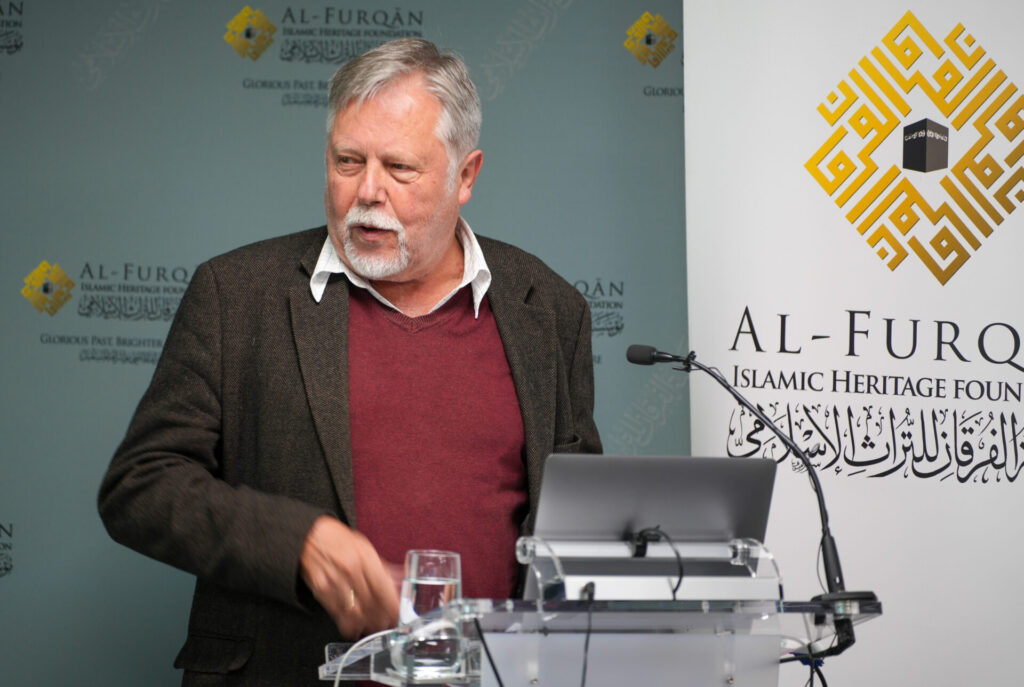
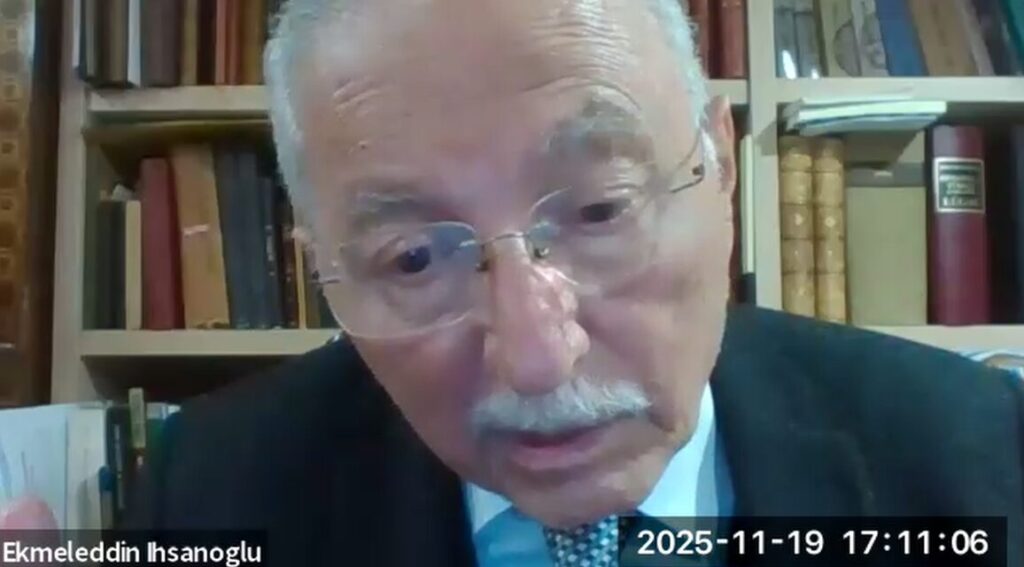
Day 2
The fourth session was entitled 'The 3rd Translation Movement', i.e., from Latin / European Languages to Arabic, Ottoman, Persian and other languages in the pre-modern and early modern era. It was chaired by Prof. Cemil Aydin.
The speakers included Dr Haila Manteghi, who delivered a lecture entitled "Knowledge transfer in early modern Mughal India: the case of Ādāb al-Salṭanat (dated 1609) by Jerome Xavier SJ and the Samarat al-Falāsifa (dated 1603) by ʿAbd al-Sattār Lāhōrī"; Prof. Ahmet Tunc Sen, who delivered a lecture entitled "Astral ambitions: translation and science in the reign of Mustafa III"; and Prof. Tofigh Haiderzade, whose presentation was titled "Translation as a vehicle for the reception of modern European science and technology in Iran: circumstances, actors, and outcomes".
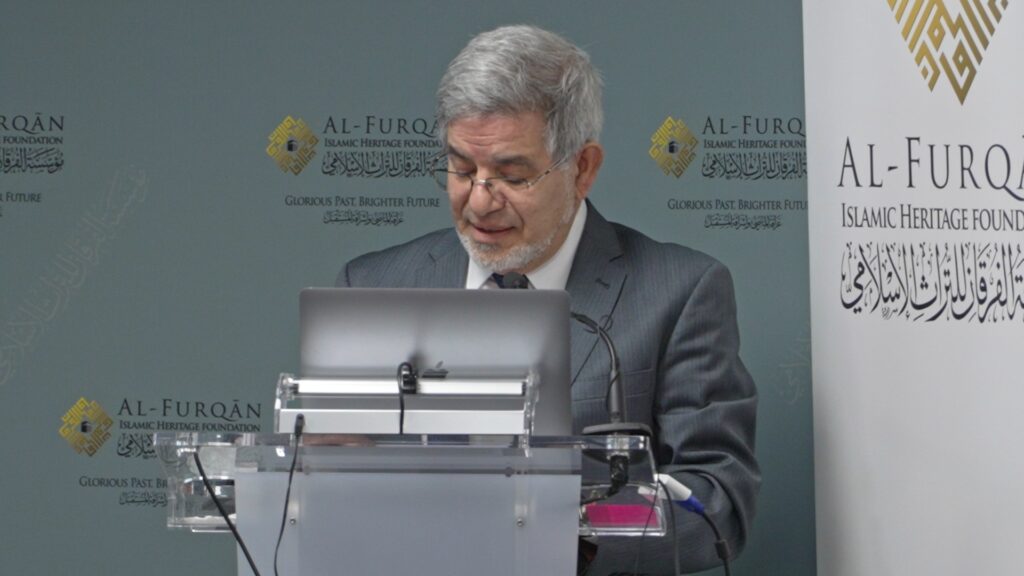
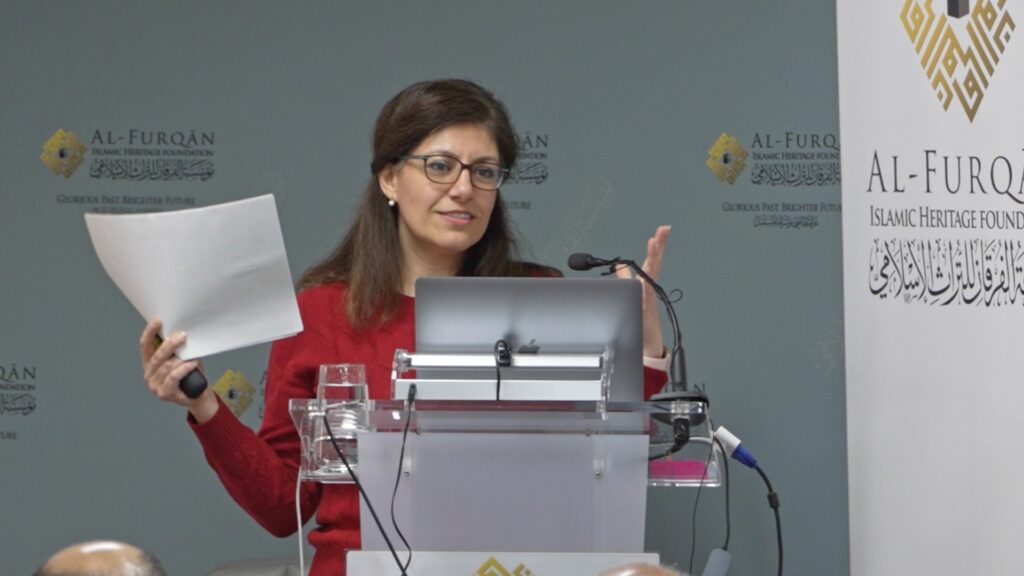
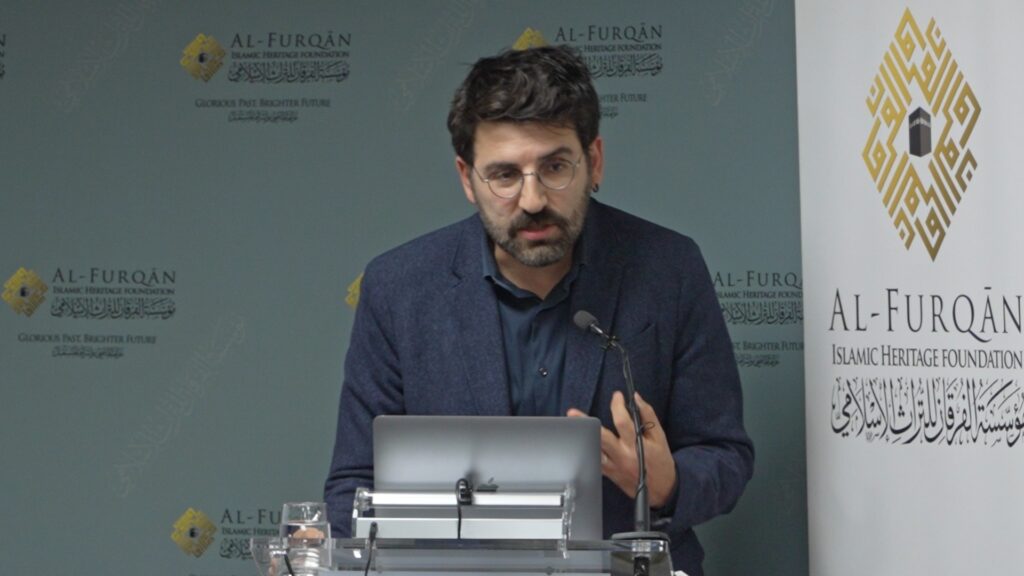
The fifth and final session was entitled 'The 3rd Translation Movement', i.e., from Latin / European Languages to Arabic, Ottoman, Persian and other languages in the pre-modern and early modern era. It was chaired by Prof. Johann Strauss.
The speakers included Prof. Mabrouk Mansouri, who delivered a lecture entitled "The early translation movement from French into Arabic during the nineteenth century and its role in shaping Arab awareness and bridging cultural communication"; and Prof. Harun Küçük, whose presentation was titled "Early modern Ottoman translations in global historical perspective".
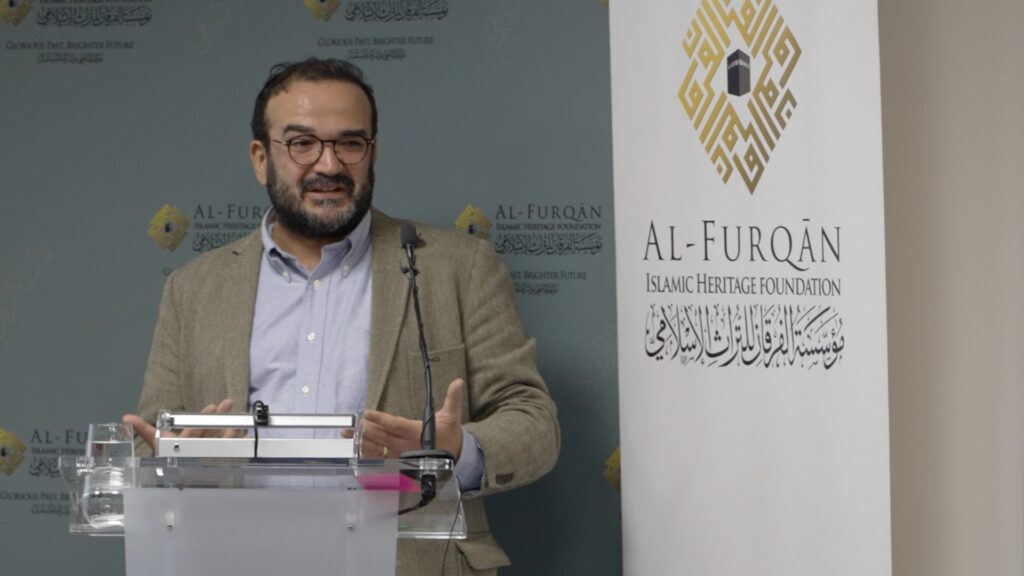
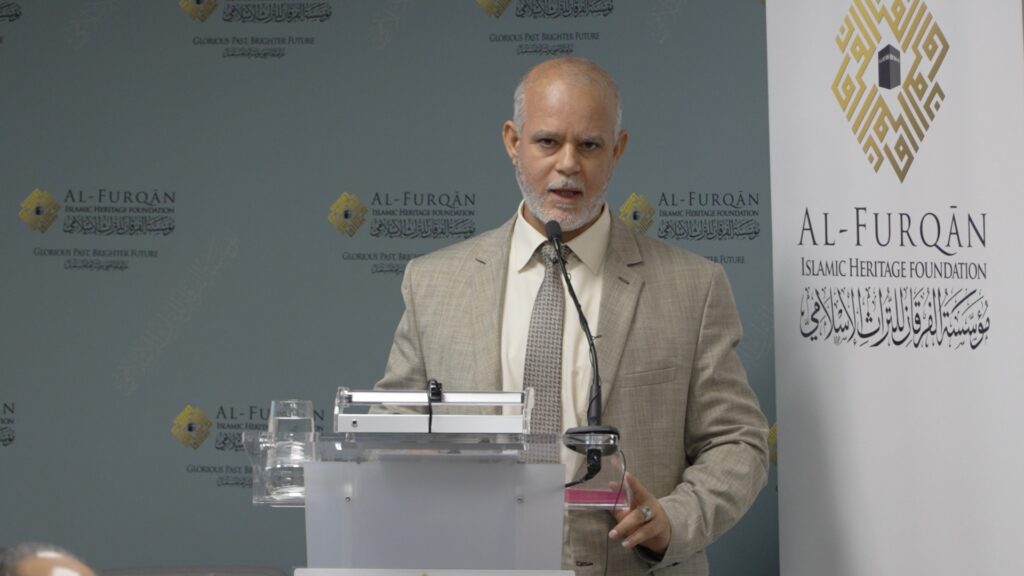
At the end of each of the sessions, there were periods dedicated to questions and discussions.
The symposium concluded with closing remarks by Mr Shahsivari, the Managing Director of Al-Furqan.